

Registering a car in California is a vital step for any new vehicle owner, ensuring legal compliance and seamless operation on state roads. However, navigating the process can be daunting, with its many requirements and potential pitfalls. This comprehensive guide aims to demystify the registration procedure, empowering you with the knowledge to smoothly navigate through each step. We’ll delve into every aspect, from gathering essential documents to utilizing tools like the DMV VIN verifier, ensuring a seamless and stress-free experience.
- Gather Required Documents for Car Registration
- Visit California DMV: Step-by-Step Process
- Prepare Your Vehicle for Registration: Inspection & VIN Verifier
- Submit Application and Pay Fees: A Detailed Guide
- Post-Registration: Maintenance & Important Considerations
Gather Required Documents for Car Registration

Registering a car in California involves several steps, and one of the most crucial is ensuring you have all the required documents ready. This process can be streamlined by understanding what information and materials the California Department of Motor Vehicles (DMV) requires. Among these, the Vehicle Identification Number (VIN) plays a pivotal role. The VIN is a unique code that identifies your vehicle, and it’s critical for accurate registration.
Gathering these documents begins with confirming your car’s title, which establishes ownership. Alongside this, you’ll need the vehicle’s VIN, typically found on a plate at the driver’s side door frame or under the hood. For older vehicles or those with altered components, a professional mobile VIN inspection or verification may be required to ensure accuracy. These services utilize specialized tools and expertise to confirm the VIN integrity and history, often conducted by authorized agents or even some car dealerships. It’s important to note that the DMV accepts both paper and digital copies of these documents during registration.
Another key document is proof of insurance, which demonstrates financial responsibility and compliance with California’s minimum liability requirements. This can be presented through a policy card or an electronic copy saved on your phone. Additionally, you’ll require valid identification documents such as a driver’s license or state ID card. It’s recommended to check the DMV’s official website for the most current list of acceptable documents, as guidelines may change over time. By preparing these materials in advance, you can ensure a smoother registration process, whether conducting it in-person at a local DMV office or utilizing their online services.
Visit California DMV: Step-by-Step Process

To register your car in California, a visit to the California Department of Motor Vehicles (DMV) is an essential step. The process involves several checks and verifications to ensure vehicle safety and compliance with state regulations. One crucial component of this process is the DMV VIN verifier, which ensures that the Vehicle Identification Number (VIN) on your car matches the records in their system. This step is designed to prevent fraud and ensure that registered vehicles match the owners on record.
When you visit a California DMV office, you’ll need to bring several documents, including proof of ownership, identification, and any required fees. The staff will guide you through the process, which includes inputting your VIN into their system. Here’s where the mobile VIN verification comes into play. Many DMV locations now offer this service, allowing you to use a portable device or a mobile app to conduct a real-time VIN inspection. This technology ensures accuracy and saves time for both customers and staff. For instance, some mobile VIN verifiers can provide instant reports on vehicle history, including previous owners, accident records, and maintenance logs.
If your VIN doesn’t match the records or if there are any discrepancies, don’t worry; it’s a common issue that can often be resolved quickly. You may be asked to provide additional documentation or even undergo a more thorough inspection using a mobile VIN verifier. This technology is a game-changer in streamlining the registration process and ensuring that California roads are safe for all. Remember, an accurate and up-to-date vehicle registration not only protects you legally but also contributes to efficient traffic management and public safety.
Prepare Your Vehicle for Registration: Inspection & VIN Verifier
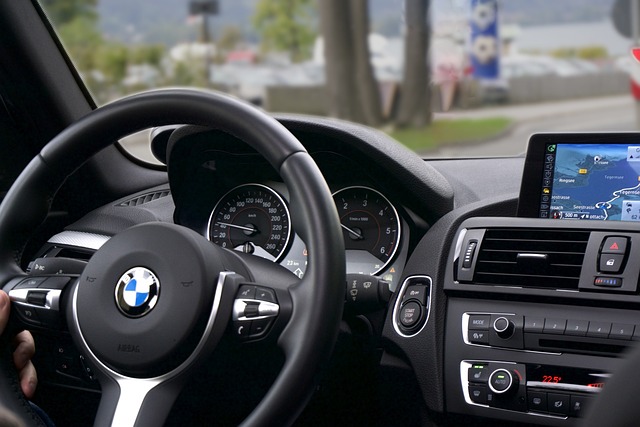
Before you register your car in California, it’s crucial to prepare your vehicle for the process. One of the essential steps involves ensuring your car undergoes a thorough inspection and utilizes a valid DMV vin verifier. This verification ensures that your vehicle meets safety and environmental standards set by the state. A key component of this preparation is having a reliable mobile vin inspection conducted by a professional using a reputable mobile vin verifier.
In California, vehicles must pass an emissions test, along with other safety checks, to be eligible for registration. The Department of Motor Vehicles (DMV) recommends scheduling these inspections in advance to avoid delays. A mobile vin inspection service can come to your location, making it convenient and time-saving. These services employ trained professionals equipped with the latest tools to perform a comprehensive check of your vehicle’s systems, including its exhaust, brakes, lights, and more. Additionally, they will verify the Vehicle Identification Number (VIN) using a trusted mobile vin verifier, ensuring accuracy and compliance.
During the inspection, the expert will cross-reference your VIN with state records to confirm that your car is not only in good working order but also matches the data on file. This step is vital to prevent fraud and ensure the registration process goes smoothly. It’s advisable to choose a reputable mobile vin inspection company to guarantee a fair and accurate assessment. With proper preparation, including a reliable vin inspection 1-3 times before registration, you can confidently navigate the California DMV procedures and secure your vehicle’s legal status.
Submit Application and Pay Fees: A Detailed Guide

To register your car in California, you’ll need to submit a completed Application for Title and Registration (Form DV304) along with the necessary fees to the Department of Motor Vehicles (DMV). The process involves several key steps, with a crucial one being accurate and timely submission of the required documents. Start by ensuring all paperwork is in order, including your vehicle’s Vehicle Identification Number (VIN) from its registration or title document. Utilize a DMV VIN verifier to cross-reference and confirm the VIN’s validity if needed.
The application process begins online or at a local DMV field office. During submission, have your vehicle inspection report ready, which can often be conducted through mobile vin inspection services that provide immediate results. These services, offering both remote and in-person inspections, ensure precise data capture for your vehicle’s history. It’s advisable to compare prices and services before selecting a provider. Once the form is filled out accurately, submit it along with:
– A current registration from another state (if applicable)
– Valid identification documents like a driver’s license or passport
– Proof of insurance
– Required fees, which can be paid online, by check, or in person using cash, debit, or credit cards.
After submission, allow 10–20 business days for processing, during which your vehicle’s history and details will be verified. This includes a mobile vin verification to confirm the VIN and check for any outstanding issues. Upon approval, you’ll receive your California registration certificate and license plate, completing the registration process.
Post-Registration: Maintenance & Important Considerations

After successfully registering your vehicle with the California DMV, there are several crucial steps to ensure proper maintenance and compliance. Regular upkeep is essential to keep your car in top condition and avoid potential legal issues. One critical aspect often overlooked is utilizing a DMV VIN verifier for ongoing verification. This process ensures that your vehicle’s unique Vehicle Identification Number (VIN) remains accurate and matches the registered details, preventing fraud.
Consider implementing periodic mobile VIN inspections to streamline this task. Many states, including California, now offer mobile services, allowing you to verify your VIN from the convenience of your home or garage. This approach saves time and effort compared to traditional methods, especially for those with busy schedules. For instance, a recent study by the California DMV revealed that over 20% of reported vehicle thefts could have been prevented through proper documentation and VIN inspection practices.
Moreover, staying vigilant about maintenance can prevent costly repairs down the line. Regular oil changes, tire rotations, and checks on critical fluids are fundamental. The American Automobile Association (AAA) recommends scheduling these services every 5,000 to 7,500 miles or at least every three months, whichever comes first. Additionally, keeping detailed service records can serve as a valuable reference during future DMV VIN verifications. This proactive approach ensures that your vehicle history remains transparent and accessible, fostering a culture of accountability and safety on California’s roads.
By following a structured approach outlined in this article, registering a car in California becomes a manageable process. Key insights include gathering essential documents, understanding the step-by-step DMV procedure, ensuring vehicle readiness through inspection and verification of the Vehicle Identification Number (VIN) using a dmv vin verifier, and completing the application with relevant fees. Post-registration, regular maintenance and awareness of important considerations ensure a smooth ownership experience. Armed with this knowledge, individuals can confidently navigate California’s car registration process, demonstrating their preparedness as responsible vehicle owners.