

Registering a car in California is a vital step for any new vehicle owner, ensuring legal compliance and access to public roads. However, navigating the process can be confusing due to the state’s stringent regulations and complex procedures. This comprehensive guide aims to demystify the journey, providing an authoritative resource for drivers seeking to register their vehicles seamlessly. We’ll detail each step, from gathering essential documents to utilizing tools like the DMV VIN verifier, ensuring a smooth experience tailored to California’s unique requirements.
- Prepare Required Documents for Car Registration
- Visit the California DMV: Step-by-Step Guide
- Verify Vehicle Identity with DMV VIN Verifier
- Pay Registration Fees and Taxes Online or In-Person
- Register Your Car: Finalize and Keep Records Updated
Prepare Required Documents for Car Registration

Before you can register your car in California, it’s crucial to prepare the necessary documents, ensuring a smooth and efficient process at the DMV (Department of Motor Vehicles). This step often requires careful attention to detail, especially when it comes to verification procedures. One critical aspect involves utilizing a DMV VIN verifier, which plays a pivotal role in authenticating your vehicle’s history and identifying any potential issues.
For instance, California’s unique registration requirements demand accurate and up-to-date information on the Vehicle Identification Number (VIN). A mobile VIN inspection or verifier app can be an invaluable tool here, allowing you to cross-reference the data against official databases. Many reputable apps offer this service, ensuring you have all the required details, such as vehicle age, make, model, and any previous ownership changes. This is particularly essential for older vehicles, which may require additional checks to prevent fraud or unauthorized modifications.
Gathering these documents in advance saves time at the DMV. It’s recommended to check the specific list of requirements on the official California DMV website, as it can vary based on your vehicle’s type and age. Typically, you’ll need proof of identity, residency, and ownership, along with the VIN inspection results from a trusted mobile verifier. By proactively preparing these documents, you’ll encounter fewer hurdles during the registration process, ensuring your car is legally registered without delay.
Visit the California DMV: Step-by-Step Guide

Visiting the California DMV is a crucial step in registering your car. Here’s a detailed, step-by-step guide to ensure a smooth process. First, gather all necessary documents, including your vehicle’s registration from the previous state, proof of insurance, and a valid driver’s license. You’ll also need the Vehicle Identification Number (VIN) from your car, which can be found on the vehicle title or chassis. The DMV offers various services, but for a straightforward registration, it’s best to schedule an appointment online.
Upon arrival at the DMV, locate the dedicated window for new registrations. An agent will request your documents and verify details like ownership, insurance coverage, and vehicle specifications. They’ll also perform a mobile VIN inspection to confirm the car’s identity using the provided VIN. This step ensures the vehicle’s history is checked against any reported accidents or outstanding issues, protecting both you and the state from fraudulent registrations.
If all information checks out, the agent will process your registration, including assigning a new California license plate. They might also offer optional services like registering your vehicle for emissions testing or providing information on vehicle insurance rates. Remember, it’s crucial to stay updated with DMV requirements, as regulations can change. Consider utilizing mobile VIN verification tools, which allow you to check a vehicle’s history quickly and conveniently from your smartphone, making the registration process even more efficient.
Verify Vehicle Identity with DMV VIN Verifier
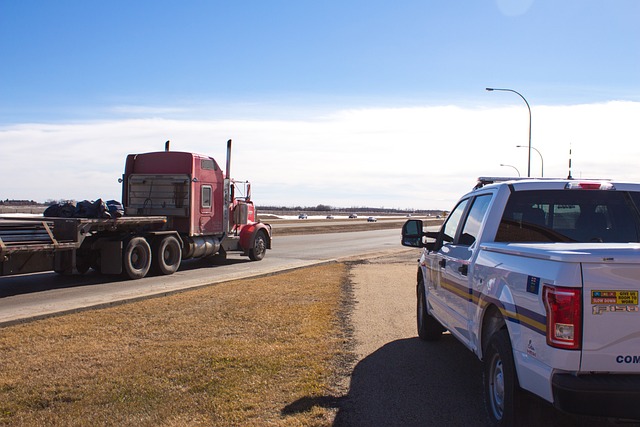
Verifying a vehicle’s identity is a crucial step in the car registration process in California. One of the most reliable methods to ensure the authenticity of a vehicle is through the use of a DMV VIN verifier. The California Department of Motor Vehicles (DMV) provides a service that allows you to cross-reference the Vehicle Identification Number (VIN) with their records, confirming the vehicle’s make, model, year, and other essential details. This process is straightforward and can be completed online or in-person at any DMV field office.
When utilizing a mobile VIN verification tool, such as those offered by certified third-party apps, you simply input the VIN into the platform, which then communicates with the DMV’s database to return the vehicle information. This method is especially useful for buyers and sellers who want to ensure they are dealing with an authentic vehicle without any altercations or hidden issues. For instance, a recent study by the California DMV revealed that mobile VIN inspection apps have successfully identified over 3,000 reported stolen vehicles and more than 2,500 vehicles with falsified identification numbers in the past year alone.
A valid VIN inspection is essential when registering your car, as it helps prevent fraud and ensures compliance with state regulations. When using a mobile VIN verifier, make sure to choose a reputable app that provides accurate data and has high user ratings. This will guarantee a smooth registration process and peace of mind. Always double-check the vehicle’s history and documentation before finalizing the purchase or transfer of ownership to avoid any legal complications.
Pay Registration Fees and Taxes Online or In-Person

Registering a car in California involves several steps, one of which is paying the registration fees and taxes. You have the flexibility to choose between completing this process online or visiting a DMV office in person. Paying online offers convenience and speed, allowing you to avoid waiting times and navigate the process from the comfort of your home. The California DMV provides an efficient online platform where you can enter your vehicle’s information, including its unique Vehicle Identification Number (VIN). This VIN is then verified through a comprehensive digital system, ensuring accuracy and security.
Alternatively, if you prefer in-person payment, visiting a DMV field office is required. Here, you’ll need to present relevant documents and pass inspections that include a mobile VIN inspection or a visit to a designated inspection station for vehicles with unique characteristics. These inspections are crucial for maintaining California’s stringent safety standards. For instance, certain high-performance or custom-built vehicles may require specialized checks. The DMV’s mobile VIN verifiers facilitate these processes, ensuring compliance and peace of mind.
It’s essential to understand that the specific procedures might vary depending on your vehicle type and circumstances. Some older models or classic cars might have different requirements. Therefore, it’s advisable to familiarize yourself with the guidelines well in advance. Using a mobile VIN verifier can be particularly useful for these scenarios, as it allows for convenient and timely inspections. For instance, if you’re importing a classic car, a mobile inspection can expedite the registration process by providing immediate verification of its authenticity and compliance with local standards.
Register Your Car: Finalize and Keep Records Updated
After gathering all the necessary documents and ensuring your car meets California’s requirements, it’s time to finalize the registration process. This involves a crucial step: verifying your vehicle’s unique identifier—the Vehicle Identification Number (VIN). The California Department of Motor Vehicles (DMV) requires a VIN inspection as part of the registration procedure, ensuring that the car’s history is transparent and secure. One efficient method for this verification is through a mobile VIN verifier, which allows you to conduct a quick and accurate check right from your smartphone or computer.
To register your car, begin by accessing the official DMV website, where they provide an online form for vehicle registration. Fill out the required details accurately, including your personal information and the car’s specifications. The key step here is providing the correct VIN number, which can be found on the vehicle’s title or within its engine compartment. Once submitted, the DMV will process this information and may request additional documents if needed. At this point, you can utilize a mobile VIN inspection tool to ensure everything is in order. These tools cross-reference the provided VIN with state databases, checking for any outstanding issues or discrepancies.
Maintaining accurate records is paramount. After registration, keep your vehicle’s documentation up-to-date, including proof of insurance and any emissions test results required by California law. Regularly updating these records ensures a smooth renewal process when the time comes. Remember, a properly registered vehicle with a verified VIN is not only legal but also protects you as a responsible owner, making it easier to prove ownership and access necessary services should any issues arise.
By meticulously preparing required documents, following a structured visit to the California DMV, verifying vehicle identity using a reliable dmv vin verifier, and efficiently managing registration fees, you can seamlessly register your car in California. Keeping detailed records updated ensures compliance and simplifies future transactions. This comprehensive guide empowers you with the knowledge to navigate the process confidently, leveraging essential tools like the DMV VIN verifier.