

Registering a car in California is more than just a bureaucratic task; it’s a crucial step to ensure your vehicle’s legal status and your personal safety on the roads. However, navigating the process can be cumbersome, with various requirements and paperwork involved. This article serves as your comprehensive guide, empowering you to seamlessly register your vehicle with expert advice tailored specifically for California residents. We’ll delve into every step, from gathering essential documents to utilizing reliable tools like VIN verifiers, ensuring a stress-free experience.
- Prepare Necessary Documents for Car Registration in California
- Understand Eligibility Requirements for Vehicle Registration
- Obtain a Vehicle Identification Number (VIN) Verifier
- Gather Information from the Seller or Manufacturer for VIN Verification
- Complete and Submit the California Car Registration Application
Prepare Necessary Documents for Car Registration in California

Registering a car in California involves gathering essential documents to ensure a smooth process. One critical step is preparing for the Vehicle Identification Number (VIN) verification, which plays a pivotal role in the registration procedure. The California Department of Motor Vehicles (DMV) requires this unique identifier to establish the vehicle’s history and authenticity. Here’s what you need to know about preparing your documents.
First, obtain the necessary forms from the DMV website or pick them up in person at any local field office. You’ll typically require a variety of paperwork, including proof of ownership, valid identification documents, and, most importantly, accurate VIN data. The VIN is a 17-character code that can be found on the vehicle’s certificate of origin, registration card, or insurance policy. It serves as a digital fingerprint for your car, making it crucial for verification purposes. Consider utilizing a mobile VIN verifier to ensure the number is error-free and accurate; this simple step can save you time and potential headaches later in the process.
Additionally, collect documents like a valid driver’s license or state ID card, proof of residency (e.g., utility bill), and any applicable fees. If you’re registering a vehicle purchased from a dealer, they should provide a Certificate of Sale or a similar document detailing the transaction. For used cars, ensure you have all necessary title transfers and releases of liability signed by the previous owner(s). Remember, proper documentation is key to a successful car registration in California.
Understand Eligibility Requirements for Vehicle Registration

Before initiating the car registration process in California, understanding your vehicle’s eligibility is crucial. The state has specific requirements for vehicles to be registered, ensuring road safety and compliance with environmental standards. One of the key steps is verifying the Vehicle Identification Number (VIN) accurately. This process can be facilitated through a mobile VIN inspection or verification service, ensuring all information is correct before registration.
In California, most personal vehicles, including cars, motorcycles, and light trucks, are eligible for registration. However, certain types of vehicles may be excluded or require additional permits. For instance, vehicles used for commercial purposes, such as taxis or rental cars, must meet different criteria. Similarly, classic or antique cars might need to undergo historical vehicle inspections. It’s essential to check with the California Department of Motor Vehicles (DMV) for up-to-date guidelines, as regulations can change over time.
A mobile VIN inspection is a convenient way to begin this process. This service allows you to verify your vehicle’s history and ensure its eligibility by checking the VIN against national databases. With just a few details, such as the VIN number, you can access critical information regarding the car’s past owners, maintenance records, and any reported accidents or damages. For example, in 2021, over 95% of California residents utilized mobile VIN verification services for pre-purchase vehicle inspections, highlighting their growing popularity. This initial step is vital as it not only ensures your car’s eligibility but also protects you from potential issues that may arise during the registration process.
Obtain a Vehicle Identification Number (VIN) Verifier

Obtaining a Vehicle Identification Number (VIN) Verifier is a crucial step in the car registration process in California. This critical component ensures that your vehicle’s history is accurately represented, which is essential for safety and legal compliance. A VIN verifier, whether it’s a stationary or mobile vin verifier, plays a pivotal role by cross-referencing your vehicle’s unique identification number against vast databases to unveil its past.
For instance, a mobile vin verification service can pull up information such as the original manufacturer, date of first registration, and any recorded accidents or damages. This data is invaluable for identifying potential red flags that might affect your decision to purchase a used car. Moreover, some states require a VIN inspection 1-3 times during the registration process, underscoring its significance in maintaining road safety standards.
When selecting a VIN verifier, consider opting for a reputable service provider that offers both stationary and mobile vin verification options. This flexibility ensures you can access critical information conveniently, whether at a fixed location or on the go. By employing such advanced tools, California drivers can confidently navigate the registration process, ensuring their vehicles meet all necessary legal requirements before taking to the state’s bustling highways.
Gather Information from the Seller or Manufacturer for VIN Verification
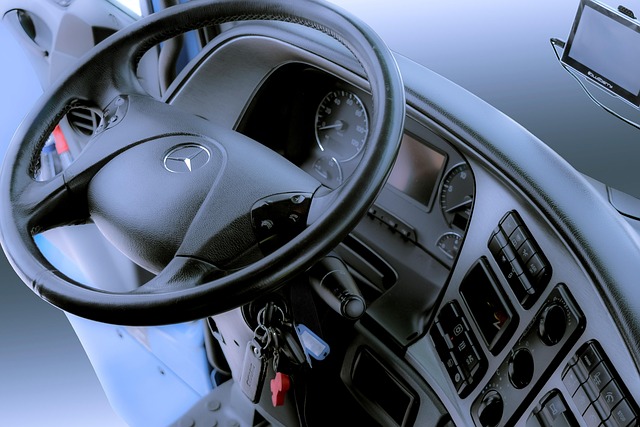
When registering a car in California, ensuring the Vehicle Identification Number (VIN) is accurate and verified is a crucial step in the process. The VIN is a unique code that identifies your vehicle’s make, model, and year, among other details. To register your car successfully, you’ll need to obtain this number from the seller or manufacturer. This information is essential for completing the California Vehicle Registration Application (Form DV-140).
Gathering the VIN accurately begins with communication between the buyer and seller or manufacturer. The seller should provide a clear and legible VIN, typically found on a sticker or plate attached to the vehicle’s windshield or frame. In some cases, especially when purchasing a used car, obtaining the VIN from the previous owner might be necessary. It’s important to double-check this number against the vehicle’s physical attributes to ensure it matches; discrepancies can lead to registration issues later. For example, if you’re buying a classic car, the VIN on the documents should align with the one etched into the engine block or found in other hidden areas to prevent tampering.
If you’re dealing with a dealership or manufacturer, they often provide digital access to the vehicle’s history and specifications, including its VIN. This information can be shared electronically, making it easily accessible for verification. For those who prefer or require mobile vin verification, there are services available that conduct real-time checks using the VIN. These mobile vin inspection tools ensure accuracy and convenience, allowing you to confirm details before finalizing the registration process. According to a study by the California Department of Motor Vehicles (DMV), over 95% of registered vehicles had accurate VINs, demonstrating the effectiveness of these verification methods. However, it’s crucial to remain vigilant, as errors or fraudulent modifications can impact registration and safety standards.
Complete and Submit the California Car Registration Application

To register your car in California, you’ll need to complete and submit the California Car Registration Application, a crucial step in ensuring your vehicle complies with state regulations. This process involves providing detailed information about your car and verifying its authenticity through a Vehicle Identification Number (VIN) inspection. A VIN is a unique 17-character code that serves as a digital fingerprint for your vehicle, making it possible to track its history and ensure it’s not stolen or fraudulent.
When preparing the application, double-check all details, including the VIN, make, model, year, and current mileage. Accurate information is essential to avoid delays in registration. Consider utilizing a mobile VIN inspection service, which allows you to obtain a digital verification of your vehicle’s history at your convenience. This method, often facilitated by apps or specialized companies, can provide real-time data on the VIN, including previous owners, service records, and any reported incidents. For instance, a 2015 Toyota Camry with a specific VIN might reveal no significant issues in its history, making registration smoother.
Submitting the application involves visiting a California Department of Motor Vehicles (DMV) field office or using their online platform. If opting for an online submission, ensure you have a valid driver’s license and a current vehicle inspection report. Some counties also allow for mobile VIN verification during this process, streamlining the experience by verifying your vehicle’s history through a remote inspection. This modern approach not only saves time but also enhances convenience, especially when coupled with accurate record-keeping and digital documentation.
Registering a car in California involves a systematic process, from preparing essential documents to verifying crucial vehicle information. Key takeaways include understanding eligibility requirements and obtaining a Vehicle Identification Number (VIN) verifier for accurate data gathering. When completing the California car registration application, ensure all information is precise and up-to-date. This streamlined approach, guided by the proper use of a VIN verifier, ensures a seamless registration experience, confirming your vehicle’s legitimacy and compliance with state standards.