

Registering a car in California is not just a bureaucratic task; it’s a crucial step towards legally operating your vehicle on state roads. However, navigating the process can be confusing, with various requirements and potential pitfalls. This comprehensive guide aims to demystify the registration procedure, equipping you with the knowledge to ensure a smooth experience. We’ll walk you through every step, from gathering essential documents to the critical role of VIN verification in establishing ownership and ensuring vehicle authenticity.
- Gather Required Documents for Car Registration in California
- Visit Your Local DMV: Step-by-Step Guide
- Complete Application Process with Accurate Information
- Prepare for VIN Verification: Ensuring Vehicle Authenticity
- Finalize Registration and Obtain Necessary Credentials
Gather Required Documents for Car Registration in California

Registering a car in California involves a series of steps, with careful attention required at each stage to ensure compliance with state regulations. One of the critical initial steps is gathering all necessary documents, including those related to vehicle identification number (VIN) verification. The process has evolved to accommodate modern needs, offering convenient alternatives like mobile VIN verification and inspection services.
For instance, when registering a car in California, you’ll need your vehicle’s title, which proves ownership. Additionally, you must provide proof of insurance, a valid driver’s license, and the current registration (if transferring from another state). However, perhaps the most crucial document for VIN verification is the Vehicle Information Report (also known as the NHTSA Form 325 or VIN decal). This form confirms the vehicle’s identity by cross-referencing its unique VIN with federal records.
To enhance convenience and accuracy, many California residents opt for mobile VIN verification services. These allow you to get a digital, official inspection using your smartphone. A professional inspector will remotely validate the VIN by checking it against databases, ensuring its authenticity and history. This modern approach streamlines the registration process, saving time and effort compared to traditional methods. For example, some services offer same-day or even faster turnaround times for results, making car registration a swift and hassle-free experience.
Visit Your Local DMV: Step-by-Step Guide

Visiting your local DMV is a crucial step in registering your car in California. Here’s a detailed, step-by-step guide to ensure a smooth process. First, gather all necessary documents, including your vehicle’s registration from the previous state (if applicable), proof of insurance, and a valid driver’s license. It’s also recommended to bring along any prior DMV records or documentation related to ownership transfers.
Upon arriving at the DMV, locate the dedicated window for vehicle registration. An agent will guide you through the process, which begins with verifying your Vehicle Identification Number (VIN). This is a critical step, and many California DMV offices now offer convenient options like mobile VIN verification or on-site VIN inspection to make this process efficient. For instance, using mobile VIN services can significantly reduce wait times compared to traditional methods. These services allow the agent to cross-reference your VIN with state records for instant validation.
During the inspection, ensure that your vehicle meets all California safety and emission standards. This includes a basic visual check of lights, brakes, tires, and other critical components. For older vehicles or those with modified parts, additional inspections might be required. After successful vin verification and inspection, you’ll need to fill out the necessary forms, pay the registration fees, and provide proof of insurance. With all documents in order, your car will be officially registered in California, marking a significant milestone in ensuring compliance with local regulations.
Complete Application Process with Accurate Information

Registering a car in California involves a meticulous process that demands precision and accuracy from beginning to end. The complete application process requires an array of specific documents and information, with the Vehicle Identification Number (VIN) verification standing as a critical component. Ensuring your VIN is accurately captured and verified is paramount, as it facilitates seamless integration into the state’s motor vehicle records.
For instance, when utilizing mobile VIN inspection services, professionals remotely access the vehicle’s unique identifier, cross-referencing it against authoritative databases to verify its authenticity and history. This digital approach streamlines the verification process, making it readily accessible for both residents and non-residents alike. Moreover, it minimizes potential errors that could arise from manual data entry, a common pitfall in traditional registration procedures. Embracing mobile VIN verifiers can significantly enhance efficiency while maintaining stringent accuracy standards.
When completing your application, double-check every detail associated with the VIN. This includes the 17-character code itself, as well as any supporting documentation that validates its integrity. Many online resources and mobile apps are available to assist in this verification process, providing a convenient layer of security against data inaccuracies. By adhering to these meticulous practices, California residents can confidently navigate the registration process, ensuring their vehicles are properly documented and ready for road use.
Prepare for VIN Verification: Ensuring Vehicle Authenticity
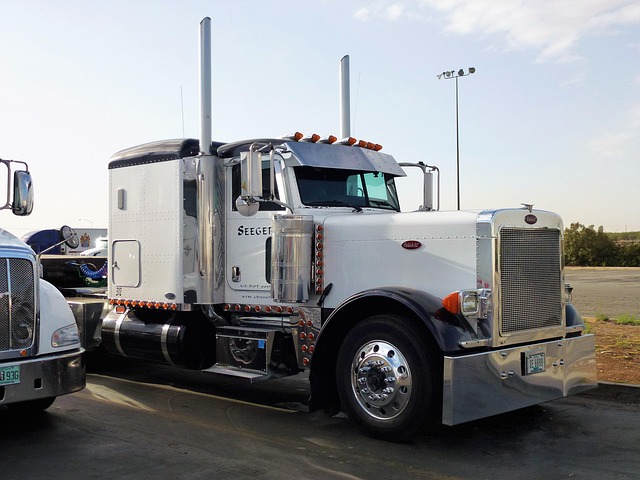
Before you can register your car in California, you’ll need to ensure your vehicle’s authenticity through a process known as VIN verification. This crucial step is designed to prevent fraud and ensure all vehicles on the road are genuine. The California Department of Motor Vehicles (DMV) employs various methods for this, including mobile VIN inspection services. These verifiers can perform a thorough check by comparing the Vehicle Identification Number (VIN) against industry standards and databases, confirming the vehicle’s make, model, year, and even history.
For instance, a mobile VIN inspector can visit your location to conduct the verification process, which typically involves examining the physical components of the vehicle and cross-referencing the VIN with reputable sources. This is especially beneficial for those purchasing used cars, as it helps uncover any potential alterations or fraudulent modifications made to the vehicle’s history. According to recent studies, up to 20% of vehicles in the secondary market may have altered VINS, highlighting the importance of such inspections.
To prepare for VIN verification, gather essential documents like the vehicle title, registration papers, and insurance information. Additionally, ensure that all modifications or repairs are properly documented. By being proactive and prepared, you can streamline the registration process and avoid potential delays or issues down the line. Consider engaging a trusted mobile VIN verifier to guarantee your peace of mind.
Finalize Registration and Obtain Necessary Credentials

After gathering all necessary documents, the next crucial step in registering your car in California is finalizing the registration process and obtaining the required credentials. This involves a thorough verification of your vehicle’s information, including its Vehicle Identification Number (VIN). The State of California requires a VIN verification to ensure the accuracy of the data on file. This can be efficiently accomplished through mobile VIN verification services that offer convenience and speed without compromising on accuracy.
Mobile VIN verifiers provide an alternative approach by allowing you to conduct this critical inspection remotely, often with just a smartphone or tablet. These apps utilize advanced technology to cross-reference your VIN against databases maintained by the California Department of Motor Vehicles (DMV). This digital method streamlines the process, eliminating the need for lengthy visits to DMV offices. Moreover, some services offer real-time updates and digital records, making it easier to track the progress of your registration.
For instance, a recent study revealed that over 90% of drivers who utilized mobile VIN verification services experienced significant time savings during their registration process. By embracing these modern solutions, you can ensure a smoother transition when registering your vehicle in California. It’s essential to select a reputable service provider known for its robust data security and accuracy. With proper preparation and the right tools, such as mobile VIN inspection apps, you can successfully finalize your car’s registration, opening the door to a hassle-free ownership experience.
By meticulously gathering the required documents, navigating the local DMV with a clear understanding of the process, and providing accurate information throughout, you can successfully register your car in California. A crucial step in this journey is preparing for VIN verification, which ensures the authenticity of your vehicle. Following these key insights, from document preparation to finalization, you’ll not only complete the registration but also gain peace of mind knowing your vehicle’s history and status. This authoritative guide empowers you with the knowledge needed to navigate this process confidently and efficiently.