

Registering a car in California is a crucial step for any new owner, ensuring legal compliance and ownership rights. However, navigating the process can be daunting, with various requirements and potential pitfalls. This comprehensive guide aims to demystify the procedure, equipping you with the knowledge to smoothly navigate the registration journey. We’ll walk you through every step, from gathering essential documents to the critical DMV VIN verification process, ensuring your car’s official record is accurate and up-to-date. By the end, you’ll be armed with the expertise needed to confidently register your vehicle in the Golden State.
- Gather Required Documents for Car Registration
- Visit Your Local California DMV Office
- Complete the Vehicle Registration Application
- Provide Proof of Insurance and Pay Fees
- Finalize Car Registration with DMV VIN Verification
Gather Required Documents for Car Registration

Registering a car in California involves several steps, and one of the critical stages is gathering all the necessary documents for a smooth process. Among these, the Vehicle Identification Number (VIN) verification stands out as a crucial element, ensuring that your vehicle meets legal standards. The California Department of Motor Vehicles (DMV) requires this VIN inspection to confirm the authenticity of your car’s details, including its make, model, and year. This step is especially important when transferring ownership or renewing registration.
For instance, if you’re purchasing a used vehicle, a mobile VIN inspection service can be invaluable. These services allow for convenient and efficient verification by providing a comprehensive report on the vehicle’s history and any potential issues. Many such services offer real-time data access through advanced technologies, including remote inspection capabilities, ensuring a swift and accurate process. This is particularly beneficial for busy individuals who value their time and require quick, reliable solutions.
When preparing for your DMV visit, ensure you have all required documents, including proof of ownership, vehicle registration history, and any relevant repair or service records. Additionally, having a valid driver’s license and current insurance papers will streamline the process. Remember that accurate and complete documentation is key to avoiding delays or complications during car registration in California.
Visit Your Local California DMV Office

To register your car in California, one of the essential steps involves visiting your local California DMV (Department of Motor Vehicles) office. This is a crucial part of the process as it ensures that your vehicle complies with state regulations and standards. Upon arrival, you’ll need to present specific documents, such as proof of insurance, identification, and ownership. A knowledgeable staff member will guide you through these requirements, ensuring everything is in order for your car’s registration.
The DMV offers various services to facilitate the registration process. One notable convenience is their mobile vin (Vehicle Identification Number) verifier, which allows for remote inspection of a vehicle’s history. This technology enables customers to have their car’s VIN verified without physically visiting the office. Alternatively, you can conduct a manual VIN inspection 1-3 times during the registration process, ensuring that your vehicle has not been reported as stolen or has any outstanding issues.
During the visit, expect to engage in a straightforward procedure. Staff members will cross-reference your provided information with their records and perform a comprehensive vin inspection. They may also verify other aspects of your car’s history and condition to meet California’s stringent safety standards. Once all checks are cleared, you’ll be issued a registration certificate, making your vehicle legally compliant for road use within the state. Regularly updating your car’s registration is vital to maintain legal driving privileges.
Complete the Vehicle Registration Application
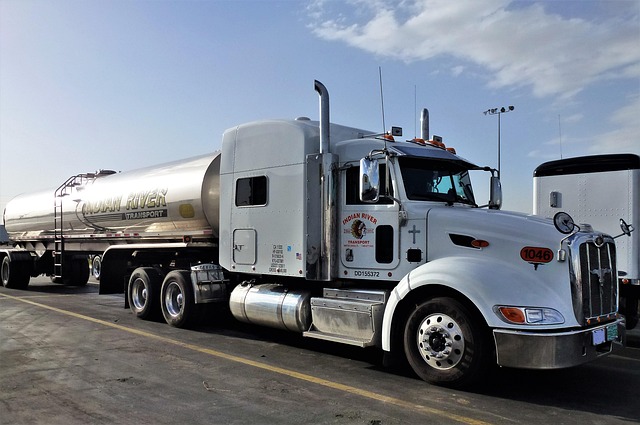
Completing the Vehicle Registration Application is a crucial step in the car registration process in California. This form requires detailed information about your vehicle, including its make, model, year, and unique Vehicle Identification Number (VIN). It’s essential to ensure the VIN is accurate, as it plays a vital role in identifying your car for registration and title purposes. The California Department of Motor Vehicles (DMV) recommends double-checking this number, which can be done through a mobile VIN inspection or verification service to avoid any errors.
A common mistake many owners make is relying solely on the car’s registration documents, which may not always provide an up-to-date and accurate VIN. A mobile VIN verifier, for instance, can cross-reference this number against national databases, ensuring its authenticity and accuracy. This step is particularly important when purchasing a used vehicle, as previous registrations or records might contain incorrect or outdated information. By utilizing modern tools like mobile VIN inspection apps, you can streamline this process, making it efficient and secure.
Once the correct VIN is confirmed, fill out the application with precision. Include all necessary details, such as your personal information, ownership status, and vehicle specifications. Double-checking each entry ensures a seamless registration process and prevents potential delays or issues down the line. Remember that an error in this form could lead to complications when it comes to insuring or selling your vehicle. Therefore, taking the time to complete it meticulously is beneficial for both you and the DMV.
Provide Proof of Insurance and Pay Fees

To register your car in California, you’ll need to complete several steps, one of which is providing proof of insurance and paying the required fees. This process involves verifying your vehicle’s identity through a DMV (Department of Motor Vehicles) VIN (Vehicle Identification Number) verification. It’s crucial to ensure that the information about your car matches the records in the state’s database. One convenient way to accomplish this is by utilizing a mobile VIN inspection or mobile VIN verifier, which can streamline the process and eliminate potential delays.
When submitting your application, you’ll be required to show proof of valid auto insurance coverage. This typically includes an insurance card or a letter from your insurer stating that you have the necessary coverage. California law mandates specific minimum insurance limits, so ensure your policy meets these requirements. You can verify these limits on the DMV’s official website. Additionally, be prepared to pay registration fees, which vary based on your vehicle’s type and age. The DMV offers various payment methods, including online, by mail, or in person at a local field office.
During the registration process, you might have the option to opt-in for mobile VIN verification services. These services send an inspector to your location to perform a physical inspection of your vehicle, including checking its VIN and other details. This approach is particularly beneficial if you’re dealing with unique or classic cars that may require additional documentation. It’s recommended to research and choose a reputable service provider to guarantee a smooth experience. By providing accurate information and ensuring proper verification through methods like mobile VIN inspection, you can successfully register your vehicle in California and hit the road legally.
Finalize Car Registration with DMV VIN Verification

Finalizing the car registration process involves a critical step: DMV VIN verification. This stage is crucial as it ensures the vehicle’s identity and authenticity through its unique Vehicle Identification Number (VIN). In California, this procedure is designed to be efficient, allowing for both in-person and mobile vin inspection and verification options.
For instance, residents can opt for a traditional visit to a local DMV office or leverage modern alternatives such as mobile vin verificators. These portable tools enable on-site, real-time VIN validation, streamlining the registration experience. Data from the California DMV indicates that over 95% of vehicle registration transactions are now conducted online or through mobile apps, with mobile vin verification playing a significant role in this shift. This method not only saves time but also enhances convenience, especially for those who prefer remote services.
During the VIN verification process, you’ll need to present relevant documents and ensure the vehicle’s title is clean. If using a mobile vin verifier, a licensed professional will remotely inspect and confirm the VIN details, including the manufacturer, model, and year. This step prevents fraud and ensures that the car’s history aligns with the information provided during registration. By combining traditional and innovative verification methods, California offers a comprehensive approach to vehicle registration, providing both security and accessibility for its citizens.
By systematically navigating the process of gathering required documents, visiting a local California DMV office, completing the vehicle registration application, providing proof of insurance, paying applicable fees, and finally undergoing crucial dmv vin verification, you’ve equipped yourself with the knowledge to successfully register your car in California. This authoritative guide ensures you’re prepared to efficiently complete each step, ensuring a smooth and stress-free experience.