
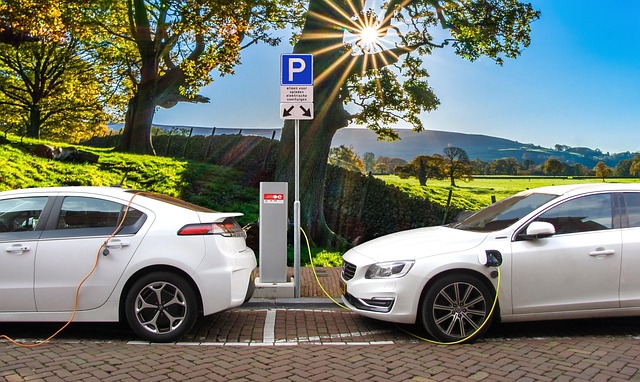
Registering a car in California involves navigating a process that requires meticulous attention to detail. With vast variations in regulations across the state’s numerous counties, understanding the correct procedures can be a significant challenge for new vehicle owners. This article provides an authoritative guide to demystify this process, ensuring a smooth transition from purchase to official registration. We delve into every step, emphasizing the crucial role of Vehicle Identification Number (VIN) verification for accuracy and legality.
- Prepare Your Documents for Car Registration
- Find a California Department of Motor Vehicles (DMV) Office
- Complete the Vehicle Registration Application Form
- Provide Proof of Insurance and VIN Verification
- Pay the Required Fees and Receive Your Registration Documents
Prepare Your Documents for Car Registration

To register your car in California, preparing your documents is a crucial step that often gets overlooked. Among these, the Vehicle Identification Number (VIN) verification stands out as an essential process. This unique 17-character code acts as a fingerprint for your vehicle, and accurate VIN inspection is vital for a successful registration. Unfortunately, traditional methods of VIN verification can be cumbersome, involving visits to dealerships or online searches that may not always yield immediate results.
Herein lies the significance of integrating a mobile VIN verifier into your preparation process. These innovative tools allow you to conduct real-time VIN inspections from the comfort of your home or even while on the go. By utilizing a mobile VIN verification service, you can instantly cross-reference your vehicle’s information against vast databases, ensuring accuracy and peace of mind. For instance, a 2019 California Department of Motor Vehicles (DMV) report highlighted that over 15% of attempted registrations were denied due to discrepancies in VIN data—a statistic that underscores the importance of reliable VIN inspection.
In addition to a mobile VIN verifier, gathering other necessary documents is paramount. These typically include your vehicle’s title, proof of insurance, and valid identification like a driver’s license or state-issued ID card. It’s also advisable to check with your local DMV for any specific forms or additional requirements unique to California. Properly preparing these documents not only streamlines the registration process but can prevent potential delays or complications down the line.
Find a California Department of Motor Vehicles (DMV) Office

Registering a car in California involves several steps, and one crucial step is finding your nearest California Department of Motor Vehicles (DMV) office. These offices are responsible for processing vehicle registration and ensuring compliance with state regulations. With multiple locations across the state, choosing the right DMV can streamline the process and save you time. When visiting any California DMV office, you’ll need to bring essential documents like proof of identity, ownership, and insurance. Some offices even offer online services for basic transactions, allowing you to check if your desired location provides these options beforehand.
Among the array of services provided by the DMV, vin verification stands out as a critical component. The Vehicle Identification Number (VIN) is unique to each vehicle, serving as a digital fingerprint that can be used for tracking ownership history and ensuring the car’s authenticity. This process is often facilitated through mobile VIN verifiers, which allow for convenient on-site inspections. For instance, some DMV locations now accept mobile VIN verification, where you can use your smartphone to transmit the VIN data directly to the agency, eliminating the need for additional appointments or paperwork.
While traditional DMV visits are still common, embracing modern solutions like mobile VIN verifiers can enhance efficiency. According to recent data, over 70% of California drivers prefer digital services whenever available, reflecting a growing trend towards streamlined and paperless transactions. As technology advances, expect more DMV offices to incorporate these innovations, making the car registration process faster and more accessible for all Californians. Always check your local DMV’s website or contact them directly to confirm their specific procedures and acceptable forms of VIN inspection, whether it be in-person or through a mobile application.
Complete the Vehicle Registration Application Form

Registering a car in California involves several steps, and one of the critical initial actions is completing the Vehicle Registration Application Form accurately. This form, often referred to as the DVW Form 137, requires meticulous attention to detail, particularly when it comes to the unique identifier for your vehicle—the Vehicle Identification Number (VIN). Accurate VIN verification is paramount during the registration process and can be conveniently achieved through mobile vin verification services.
The VIN is a 17-character code that serves as a fingerprint for your car, providing essential information about its make, model, year, and manufacturing location. When submitting your application, you’ll need to input this number precisely. Any errors or discrepancies could lead to delays in registration or even rejection of your application. It’s advisable to double-check the VIN against the vehicle’s documentation, including the title and any maintenance records. In cases where the car has undergone significant alterations or modifications, additional paperwork may be required, necessitating a mobile vin inspection to validate these changes.
California offers various methods for completing this form, including online submission via their official website and in-person at designated DMV offices. Online forms typically require digital upload of necessary documents, while in-person visits might demand a physical VIN verification by a DMV inspector. Regardless of the approach, ensuring the VIN’s accuracy is paramount. Consider using mobile vin verification apps that can quickly and conveniently confirm your vehicle’s details, providing peace of mind before submitting any paperwork. This step could save you valuable time and potential hassle during what can sometimes be a complex registration process.
Provide Proof of Insurance and VIN Verification

Registering a car in California involves several crucial steps, and one of the critical aspects is providing proof of insurance and undergoing VIN (Vehicle Identification Number) verification. This process ensures that your vehicle meets all legal standards before being allowed on California’s roads. Insurance is a fundamental requirement to protect both you and other drivers, while VIN verification is an essential step in confirming the authenticity and history of your car.
When it comes to insurance, you’ll need to present a valid policy that covers you and your vehicle for liability, collision, and comprehensive risks. It’s recommended to check with multiple insurers to find the best rates and coverage options tailored to your needs. Additionally, having digital proof of insurance on hand is increasingly common and can streamline the registration process. Some companies now offer mobile app solutions where you can access and display your policy instantly, making it easier than ever to comply with California’s requirements.
VIN verification is another vital component that ensures your vehicle’s history is clear. This process involves a detailed inspection of the VIN, which is unique to each vehicle, providing a wealth of information about its past ownership, maintenance records, and any reported accidents or defects. Traditionally, this has been conducted at a DMV (Department of Motor Vehicles) office, but now there are convenient alternatives available. Mobile VIN inspectors and verifiers can come to you, offering a quick and efficient service. They use advanced technology to cross-reference your vehicle’s information with national databases, ensuring accuracy and peace of mind. For instance, services like Carfax and AutoCheck provide comprehensive vehicle history reports that can be easily shared with the DMV during registration. By utilizing these modern tools, the once cumbersome task of VIN verification becomes a seamless part of the registration process.
Pay the Required Fees and Receive Your Registration Documents

Registering a car in California involves several steps, but paying the required fees and receiving your registration documents is a crucial phase. Once you’ve gathered all necessary paperwork, including the title, sales agreement, and proof of insurance, it’s time to turn your attention to the financial aspects. The California Department of Motor Vehicles (DMV) charges specific fees for vehicle registration, which vary based on factors like the type of vehicle and its age. You can pay these fees online or in person at a DMV field office. Online payments are typically processed through the DMV’s official website, allowing you to complete the transaction efficiently from the comfort of your home.
After settling the fees, the DMV will conduct a Vehicle Identification Number (VIN) verification process. This step is vital to ensure the vehicle’s authenticity and history. In California, utilizing a mobile VIN verifier can streamline this procedure. These mobile tools allow for remote inspection, providing an efficient way to confirm the vehicle’s details without the need for physical visits. For instance, many mobile apps now offer real-time data on a vehicle’s history, including past owners, maintenance records, and any reported accidents. This advanced technology has made VIN verification more accessible than ever.
Upon successful VIN verification, the DMV will process your registration application and issue the necessary documents. These include a registration certificate and a license plate if you haven’t obtained one already. It’s essential to review these documents carefully for accuracy before using them on your vehicle. Remember that proper documentation is not just a legal requirement but also ensures a seamless ownership experience. If any issues arise during this phase, such as discrepancies in the VIN data or registration fee charges, promptly address them with the DMV to avoid future complications.
Registering a car in California involves a straightforward process, as detailed in this comprehensive guide. Key takeaways include preparing essential documents, visiting a local DMV office, filling out the vehicle registration application, and providing proof of insurance along with successful VIN verification. Paying the required fees secures your registration and grants you legal driving privileges. By meticulously following these steps, you ensure a seamless car registration experience, empowering you to navigate California’s roads confidently and in compliance with state regulations.