

Registering a car in California is not just a bureaucratic step; it’s a crucial process ensuring your vehicle complies with state laws and you enjoy legitimate road access. However, navigating the requirements can be daunting for new owners. This article guides you through the intricate steps involved, offering expert insights on everything from gathering essential documents to the critical role of DMV VIN verification in establishing your vehicle’s identity and ensuring its legality on California roads. By the end, you’ll possess the knowledge needed to complete this vital task smoothly and efficiently.
- Prepare Required Documents for Car Registration
- Visit California DMV: Step-by-Step Guide
- Conduct DMV VIN Verification for Accuracy
- Pay Car Registration Fees Online or In-Person
- Receive Your Vehicle's Registration Certificate
Prepare Required Documents for Car Registration

Before registering your car in California, you’ll need to gather and prepare several essential documents. This process is crucial for ensuring a smooth and efficient registration experience. One critical aspect involves confirming the vehicle’s identity through a Vehicle Identification Number (VIN) verification. The California Department of Motor Vehicles (DMV) emphasizes this step as part of their security protocols.
For convenience, many residents opt for a mobile VIN inspection service. These professionals utilize specialized tools to conduct a thorough VIN inspection, checking against national databases to validate the vehicle’s history and identity. This approach is especially beneficial for those with busy schedules or limited mobility. Some companies even offer on-site services, ensuring you can complete your DMV requirements without leaving home.
During this process, it’s vital to have your car’s registration documents ready. These typically include proof of ownership, such as a title or bill of sale, and current insurance paperwork. Additionally, ensure you have the necessary forms from the DMV, like the Application for Title and Registration (Form DV307). Failing to provide these documents can delay the registration process, so it’s advisable to double-check your gathering prior to visiting any DMV office or using a mobile vin verifier.
Visit California DMV: Step-by-Step Guide

To register your car in California, you’ll need to visit a California DMV (Department of Motor Vehicles) office. This process involves several steps designed to verify your vehicle’s identity and ensure it complies with state safety standards. The first step is to gather all necessary documents, including your proof of insurance, proof of ownership, and valid identification. Once prepared, head to your nearest DMV location.
Upon arrival, locate the dedicated window for vehicle registration. A DMV representative will guide you through the process, starting by confirming your identity and verifying the information on your application form. This includes a critical step known as DMV VIN verification, where the unique identifier on your vehicle’s Vehicle Identification Number (VIN) is cross-referenced against their records to ensure authenticity. If you’re unable to visit in person, consider leveraging mobile vin verification tools that streamline this process by allowing you to check your VIN online or through a dedicated app.
After successful VIN inspection, you’ll be asked to pay the registration fee, which varies based on your vehicle type and other factors. Once the payment is processed, you’ll receive your new registration documents and license plates. Ensure these are securely fastened to your vehicle as required by California law. Regularly scheduled VIN inspections may also be necessary, typically conducted 1-3 times per year, to maintain compliance with state regulations and ensure your car remains in safe operating condition.
Conduct DMV VIN Verification for Accuracy
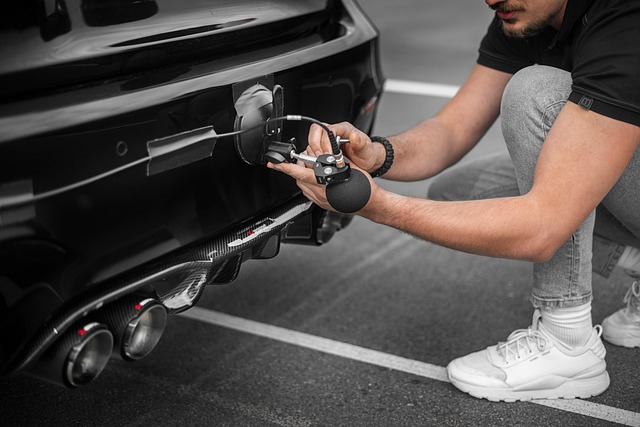
To ensure the accuracy of your car’s registration process in California, conducting a thorough DMV VIN verification is a crucial step. Every vehicle has a unique Vehicle Identification Number (VIN), and verifying this number through the Department of Motor Vehicles (DMV) is essential to prevent errors and potential legal issues. This process involves a comprehensive inspection that checks the vehicle’s history, ensuring it complies with state standards and regulations.
DMV VIN verification, often facilitated by mobile vin inspection services, plays a pivotal role in maintaining the integrity of California’s vehicle registration system. These services utilize advanced technology to cross-reference the provided VIN with the DMV’s vast database, uncovering vital information. For instance, a simple VIN inspection can reveal the car’s manufacturer, model, year, and even highlight any previous accidents or outstanding recalls, all of which are critical factors in determining registration eligibility. By engaging a mobile vin verifier, you gain access to real-time data, ensuring a swift and precise verification process.
Imagine a scenario where a vehicle’s history is obscured or inaccurate. Without proper VIN inspection, an unsuspecting owner might register a car with undisclosed issues, posing risks to safety and legal compliance. This is where a professional mobile vin inspection comes to the rescue. These services offer convenience and expertise, especially for those unfamiliar with the intricacies of DMV procedures. By simply providing your VIN, you can obtain a detailed report, ensuring your car’s registration is based on accurate and up-to-date information. This proactive approach not only saves time but also safeguards against potential penalties and legal complications.
Pay Car Registration Fees Online or In-Person

Registering a car in California involves several steps, but paying your registration fees is a crucial part of the process. You have two primary options for this: pay online or visit a DMV office in person. Choosing the right method depends on your personal preference and circumstances. Online payment offers the convenience of completing the transaction from the comfort of your home, while in-person payment allows you to avoid potential delays and ensures immediate validation, including a DMV VIN verification.
When paying online, California’s official vehicle registration portal provides a secure platform for users to enter their vehicle information, including the Vehicle Identification Number (VIN). This triggers an automated verification process that checks the VIN against state records. If all details match, your registration can be processed. Mobile vin verification apps further streamline this process, allowing you to complete the verification step using your smartphone camera to capture the VIN from your car’s window sticker. Examples of such apps include those offered by third-party providers, which often integrate with the DMV’s system for quick and accurate results.
In-person payment at a DMV office is straightforward but may involve waiting times. You’ll need to visit a local California DMV branch, bring your vehicle’s registration documents, and pay the required fees. An on-site inspector will conduct a physical inspection of your car, including a manual VIN verification using a mobile vin inspector tool. This method ensures immediate approval or identification of any issues that may have been missed online. It’s particularly recommended for first-time registrants or those updating their vehicle information to ensure accuracy and prompt resolution.
Receive Your Vehicle's Registration Certificate

After completing your California vehicle registration application and gathering all necessary documents, it’s time to receive your Vehicle’s Registration Certificate (VRC). This certificate is a crucial component of the registration process and serves as official proof of your car’s registration status. During this stage, you’ll also need to undergo a DMV VIN verification process to ensure everything aligns with state requirements.
One efficient way to streamline this step is by utilizing mobile VIN inspection services. These services send a professional to your location for a convenient and accurate VIN inspection. The expert will use specialized tools to verify the Vehicle Identification Number (VIN) of your car, cross-referencing it with California’s database to confirm that all details match, including the vehicle make, model, year, and any previous registrations. Alternatively, you can visit a DMV office and undergo the VIN verification process in person, though this may require more time and planning.
Once your VIN inspection is complete and passed, you’ll receive your VRC. This certificate is valid for three years and serves as both a registration document and proof of insurance. Ensure all information on the certificate is accurate, including the vehicle’s description and your personal details. Keep this document secure and readily accessible, as it’s essential for future interactions with California’s Department of Motor Vehicles (DMV) or law enforcement agencies.
By meticulously preparing required documents, following a structured approach to visit the California DMV, conducting essential dmv vin verification for accuracy, and securely paying registration fees, you can successfully register your car in California. Receiving your vehicle’s registration certificate marks a significant milestone, ensuring your car is legally recognized and ready for road use. This authoritative guide has equipped you with the knowledge to navigate this process efficiently and confidently.