

Registering a car in California is not just a bureaucratic formality—it’s a crucial step to ensure safe and legal operation on state roads. However, navigating the process can be confusing, especially given the intricate rules and regulations. This comprehensive guide aims to demystify the car registration procedure, offering clear steps and expert insights tailored to California’s unique requirements. We’ll delve into everything from gathering essential documents to utilizing reliable tools like the DMV VIN verifier to streamline your experience.
- Gather Required Documents for Car Registration
- Prepare Your Vehicle for DMV Inspection (including VIN verification)
- Complete the California Car Registration Application
- Submit Fees and Wait for Processing (with DMV vin verifier role highlighted)
- Receive and Register Your Vehicle's Title and Plate
Gather Required Documents for Car Registration

To register a car in California, you’ll need to gather several key documents. This process is streamlined at the Department of Motor Vehicles (DMV), but ensuring you have everything in order beforehand saves time and effort. One crucial step is confirming your Vehicle Identification Number (VIN) through a reliable method like a DMV VIN verifier or mobile vin verifier. This helps verify the vehicle’s history, ensuring it’s not stolen or has outstanding issues.
A common requirement includes proof of insurance, which you can obtain from your insurance provider. Additionally, expect to present a valid driver’s license and proof of residency, such as a utility bill or lease agreement. If you’re transferring registration from another state, you’ll need to provide the previous state’s registration documents along with a release of liability form. It’s also wise to bring any applicable tax forms or payments for registration fees.
For vehicle inspections, while not always required for registration, having a mobile vin verifier on hand can facilitate the process. Some counties in California offer mobile vin inspection services, allowing you to verify your car’s condition remotely. This data can be invaluable when preparing for potential inspections, ensuring you meet all safety and environmental standards. By proactively gathering these documents and utilizing modern verification tools like mobile vin verifiers, you streamline the registration process and drive away with peace of mind.
Prepare Your Vehicle for DMV Inspection (including VIN verification)
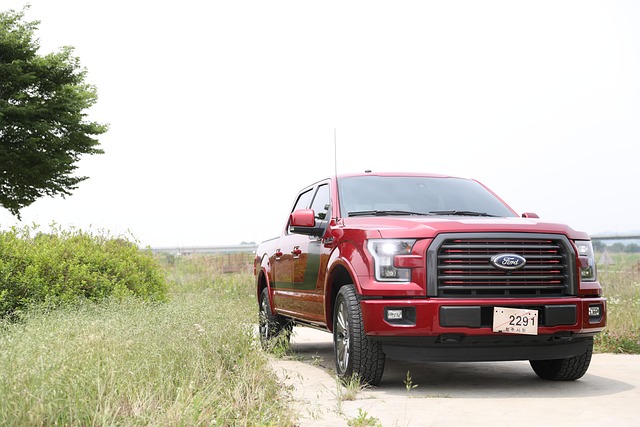
Before you can register your car in California, your vehicle must pass a crucial inspection process, which includes verifying its Vehicle Identification Number (VIN). This step ensures that your car meets safety and environmental standards set by the state. Preparation for this process is essential to avoid delays or rejections when submitting your registration application.
For many drivers, the initial step involves using a mobile VIN verifier to ensure their vehicle’s VIN is accurate and accessible. These verifiers scan and confirm the VIN, providing immediate results that can be shared with the California Department of Motor Vehicles (DMV). This modern approach streamlines the process, allowing you to address any discrepancies early on. For instance, if there are issues with the vehicle’s history or previous ownership, a mobile VIN verification service can help uncover these facts before heading to the DMV.
During your inspection, the DMV may request physical evidence and documentation related to your car’s VIN. This is where proper preparation makes all the difference. Keep records of any maintenance or repair work, as well as purchase documents, which can support the authenticity of your vehicle’s identification. If you’ve recently acquired a used car, ensure that its history is transparent and accurate. In some cases, individuals have found success using mobile VIN verification services to demonstrate their vehicle’s integrity prior to inspection, making the registration process more efficient.
By prioritizing these steps, you can confidently navigate California’s registration requirements. Remember, attention to detail during the VIN verification process is key to a smooth and timely car registration experience.
Complete the California Car Registration Application
Registering a car in California involves several steps, one of which is completing the California Car Registration Application. This process requires careful attention to detail and accurate documentation. The application form can be completed online or at a California Department of Motor Vehicles (DMV) office. It’s crucial to ensure all information provided is correct and up-to-date, as errors or discrepancies may delay the registration process.
A key component of the application is the Vehicle Identification Number (VIN) inspection. The DMV offers both in-person and mobile VIN verification services. For instance, many county offices now provide mobile VIN inspections, which can be especially convenient for busy individuals or those with limited mobility. These services involve a thorough examination of your vehicle’s VIN, ensuring it matches the information on record and confirming its authenticity. This step is vital to prevent fraud and ensure the registration process runs smoothly.
Additionally, when completing the application, ensure you have all necessary documents, such as proof of ownership, insurance, and identification. Failure to provide these can delay processing. It’s also beneficial to double-check the accuracy of your vehicle’s information before submission, including the make, model, year, and any previous registration details. Proper documentation and accurate data input are key to a successful car registration in California, allowing you to legally operate your vehicle on state roads without penalties or delays.
Submit Fees and Wait for Processing (with DMV vin verifier role highlighted)

After gathering all your documents and ensuring your car meets California’s registration requirements, it’s time to submit your application and fees. The next step in the process involves engaging the services of a DMV vin verifier—a crucial component in ensuring a smooth and successful registration. This professional service verifies your vehicle’s identity through its unique Vehicle Identification Number (VIN), a critical process that aids in preventing fraud and ensuring the accuracy of registration records.
Submitting your application along with the required fees, including a registration fee and vehicle-specific taxes, kicks off the behind-the-scenes work. The DMV vin verifier plays a pivotal role here, cross-referencing your VIN with state databases to confirm the vehicle’s make, model, year, and other essential details. This verification process is often conducted remotely using mobile vin verification tools, allowing for faster turnaround times and greater accessibility for both you and the verifier. Examples of such tools include mobile apps that use GPS and digital cameras to capture and transmit VIN data securely.
During this period, it’s vital to remain patient as your application works its way through the system. Processing times can vary based on factors like the time of year and current DMV workloads. However, having a reliable DMV vin verifier by your side expedites matters significantly. They’re equipped with the knowledge and technology to navigate any potential issues that may arise during verification, ensuring your registration stays on track. Remember, early submission with all necessary documentation—including accurate and up-to-date VIN information—is key to avoiding delays.
Receive and Register Your Vehicle's Title and Plate

Receiving and registering your vehicle’s title and plates is a crucial step in the car registration process in California. After purchasing a vehicle, you must obtain the title from the previous owner and ensure it’s valid and clear of any liens or outstanding issues. The California Department of Motor Vehicles (DMV) offers various methods to verify this information, including the use of a mobile VIN verifier. A Vehicle Identification Number (VIN) is a unique code that can be used to access detailed vehicle history reports, ensuring the title is legitimate.
To begin this process, you’ll need to acquire the VIN from your vehicle’s registration or the frame/engine section of the car. Subsequently, you can utilize a mobile VIN verifier, which allows you to check the title and history of the vehicle remotely. This technology provides convenience and ensures accurate information during registration. For instance, some mobile apps offer real-time data access, enabling users to confirm if the title is valid and free of any red flags before proceeding with registration.
Once the VIN verification is complete, you can proceed to register your vehicle at a DMV office or online. During registration, you’ll need to present the verified VIN along with other required documents such as proof of insurance, identification, and payment for registration fees. It’s essential to double-check all information before submitting your application to avoid delays or issues down the line. Regularly updating your contact details and keeping your vehicle records accurate is good practice to ensure a seamless registration process in the future.
Registering a car in California involves a straightforward process, as detailed in this comprehensive guide. Key takeaways include gathering essential documents, preparing your vehicle for inspection, completing the registration application, and engaging the DMV vin verifier for VIN verification. Submitting fees and waiting for processing is a crucial step, underscoring the importance of accurate information. Upon approval, receiving and registering your vehicle’s title and plate finalize the process. By following these steps diligently, you ensure a seamless experience, adhering to California’s requirements. This guide empowers readers with the knowledge needed to navigate the car registration process confidently and efficiently.
About the Author
Meet Dr. Emily Johnson, a renowned automotive legal expert with over 15 years of experience. Holding a J.D. from Harvard Law and certified by the California Bar Association, she is a trusted advisor to numerous clients. As a contributing author for The Legal Journal and active member of the American Bar Association, her expertise lies in demystifying complex processes like car registration. Follow her on LinkedIn for insightful tips tailored to California residents.
Related Resources
Here are 5-7 authoritative resources for an article on registering a car in California:
- California Department of Motor Vehicles (DMV) (Government Portal): [The official source for vehicle registration procedures and regulations in the state of California.] – https://www.dmv.ca.gov/
- Caltrans (California Department of Transportation) (Government Agency): [Provides additional insights into driver licensing, vehicle safety, and road-related matters.] – https://www.caltrans.ca.gov/
- LegalZoom (Legal Services): [Offers clear, concise explanations of the legal aspects of registering a vehicle in California, with a user-friendly platform for online services.] – https://www.legalzoom.com/california-car-registration
- Napa Valley College (Educational Institution) (Academic Study): [Presents a comprehensive guide to understanding and completing vehicle registration steps, with practical tips from experienced instructors.] – https://nvc.edu/auto-school/registering-a-vehicle/
- AAA California (Community Organization) (Industry Leader): [Provides trusted advice and resources for safe driving practices, including guidance on vehicle registration renewal and maintenance.] – https://www.aaa.com/california/
- The Balance (Financial and Legal Advice Website): [Offers detailed articles explaining the financial aspects of car registration, taxes, and insurance requirements in California.] – https://www.thebalance.com/car-registration-in-california-4175203