

Registering a car in California is not just a bureaucratic task; it’s a crucial step to legally operate your vehicle on state roads. However, navigating the process can be challenging due to the meticulous attention required for documentation and compliance with strict regulations. This comprehensive guide aims to demystify the procedure, ensuring you understand every step from title transfer to VIN verification. Our expert authors break down complex procedures into simple, actionable steps, empowering California drivers with the knowledge they need to complete registration smoothly and accurately.
- Gather Necessary Documents for Car Registration
- Prepare Your Vehicle for Inspection and Title Transfer
- Complete Online Application or Visit a DMV Office
- Perform VIN Verification: Ensuring Vehicle Authenticity
- Finalize Registration, Insurance, and License Plate Acquisition
Gather Necessary Documents for Car Registration

Registering a car in California involves several steps, but one of the most crucial is ensuring you have all the necessary documents ready. This process can be streamlined by understanding what information and proof are required from the get-go. Among the essential papers, the Vehicle Identification Number (VIN) verification stands out as a critical component. The VIN is a unique code that identifies your car’s make, model, and year, and its accuracy is paramount during registration. Consider utilizing mobile VIN inspection services for convenience; these tools can quickly verify the VIN of your vehicle by scanning the label or reading it directly from the car’s chassis, making the initial step efficient and precise.
When preparing for car registration in California, you’ll need to gather several key documents. These include proof of ownership (such as a title document), a current auto insurance card, and valid identification like a driver’s license. Additionally, a completed Vehicle Registration Application form is mandatory. It’s also advisable to have on hand any relevant repair or service records, especially if the vehicle has undergone significant modifications, as these might affect its registration status. Moreover, for out-of-state residents registering their vehicles in California, they must provide proof of non-resident status and a valid registration from their home state.
For those considering a mobile VIN verification service, it offers several benefits. Not only does it save time by eliminating the need to visit a DMV office or dealership, but it also ensures accuracy. These services are particularly useful for individuals who own classic cars or vehicles with complex histories, as they provide a reliable method of confirming the VIN’s integrity. Furthermore, some mobile inspection companies can even assist in completing registration paperwork if needed, making the entire process more convenient.
Prepare Your Vehicle for Inspection and Title Transfer

Before you can register your car in California, it’s crucial to ensure your vehicle is ready for inspection. This involves preparing both the physical condition of your car and obtaining essential documents. One critical step often overlooked is having your Vehicle Identification Number (VIN) verified. This unique 17-character code serves as a fingerprint for your car and is essential during the registration process, especially when transferring ownership.
A mobile VIN verifier can play a pivotal role here. Unlike traditional inspection stations that might have limited accessibility, these portable tools allow for convenient and on-demand VIN verification. You can utilize a mobile VIN scanner to cross-reference the number displayed on your vehicle’s registration documents with the manufacturer’s records. This ensures accuracy and saves time during the inspection process. For instance, a study by the California DMV revealed that errors in VIN recording are among the top reasons for registration delays, emphasizing the importance of precise VIN verification.
When preparing your car, make sure all maintenance is up to date. Check essential components like brakes, lights, wipers, and tires to ensure they meet state safety standards. Keep in mind that California has specific guidelines regarding acceptable tire tread depth and proper functioning of safety features. A mobile VIN inspection can also help identify any hidden issues, as experienced mechanics can spot potential problems during their scan. By addressing these before heading to the DMV, you streamline the registration process, ensuring a smoother experience for both you and the licensing officials.
Complete Online Application or Visit a DMV Office

Registering a car in California involves several steps, two of which are completing an online application or visiting a DMV office. The former offers convenience and speed, while the latter provides a more traditional approach. For those seeking a streamlined process, many DMV locations now offer mobile VIN verification services using a tool like a mobile VIN verifier or inspection device, ensuring accuracy and saving time for both customers and staff.
Starting online is straightforward. Visit the California DMV website and locate the form for vehicle registration. Fill it out thoroughly, double-checking all details including your unique Vehicle Identification Number (VIN). This number serves as a fingerprint for your car, crucial for accurate vin verification. Once completed, submit the application electronically, providing any necessary documentation such as proof of insurance and identification. Online applications are processed relatively quickly, often within a few business days.
If visiting a DMV office is preferable, prepare accordingly. Bring all required documents, including your valid driver’s license or ID, proof of insurance, and the completed registration form. At the DMV, you can conduct a mobile VIN inspection using an approved device to verify the vehicle’s history and identify any potential issues. This step ensures a smooth process and confirms the car’s authenticity, which is essential for vin verification. Staff will guide you through the remaining steps, which may include paying fees and taking photos of your vehicle.
Perform VIN Verification: Ensuring Vehicle Authenticity
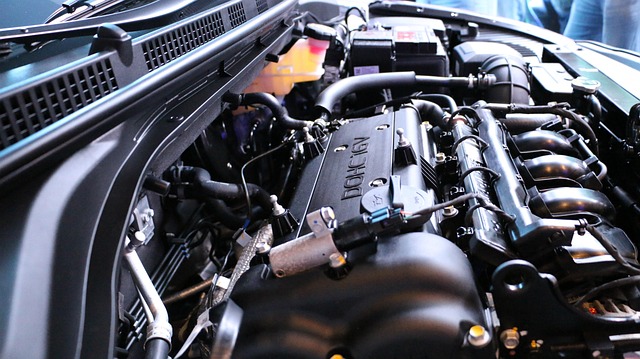
Before registering your car in California, performing a Vehicle Identification Number (VIN) verification is a critical step to ensure authenticity and avoid potential fraud. The VIN, a unique 17-character code, serves as the car’s fingerprint, providing detailed information about its history and specifications. In California, as in many states, mobile VIN inspection and verification services have gained popularity due to their convenience and efficiency. These services allow you to conduct a thorough check of your vehicle’s identity from the comfort of your home or even while waiting at a DMV office.
During a typical VIN verification process, a professional inspector will cross-reference the provided VIN with reputable databases to gather crucial data. This includes the vehicle’s make, model, year, and factory specifications, as well as records of any accidents, repairs, or title changes. In some cases, advanced technology like digital imaging and specialized software can detect even minor discrepancies, enhancing the accuracy of the inspection. For instance, a study by the National Motor Vehicle Title Information System (NMVTIS) revealed that mobile VIN verification services have an accuracy rate exceeding 98%, significantly reducing the risk of registering a potentially stolen or fraudulently titled vehicle.
To ensure a seamless and legitimate registration process in California, consider engaging a reputable mobile VIN inspection service. These professionals are equipped with the necessary tools and expertise to handle even complex cases. By undergoing a thorough VIN verification, you not only safeguard yourself from potential legal issues but also contribute to a safer and more transparent automotive ecosystem. Remember, a little due diligence upfront can save you significant time and headaches down the line when registering your vehicle.
Finalize Registration, Insurance, and License Plate Acquisition

After completing the initial registration process and gathering all necessary documents, it’s time to finalize your car’s registration, ensuring you meet all legal requirements in California. This crucial step involves securing insurance, obtaining a vehicle identification number (VIN) inspection, and acquiring license plates. Insurance is a fundamental aspect of car ownership; not only is it mandatory in California but also provides financial protection for you and other drivers on the road. Shop around for quotes from various providers to find the best coverage at a reasonable rate. Remember, specific insurance needs vary, so consider factors like your driving history, vehicle type, and personal preferences when choosing a policy.
A key component of registration is the VIN inspection, which serves as a critical verification process. In California, this often involves a mobile VIN inspection, where a professional comes to you. This service ensures that your vehicle’s VIN is accurate and matches the information in the state database. Many companies offer mobile VIN verification, allowing for convenience and saving time. For instance, some providers use advanced technology to scan and verify the VIN within minutes, providing immediate digital confirmation. This step is essential for preventing fraud and ensuring the integrity of California’s vehicle registration system.
Once your VIN is verified, it’s time to obtain license plates. In California, you’ll need standard license plates or a specialized plate if your vehicle meets certain criteria. You can apply for plates online, by mail, or in person at a DMV office. During the application process, ensure that all information is accurate and up-to-date. After submitting your request, you’ll typically receive your license plates within a few business days. Properly displaying these plates is not only a legal requirement but also aids in vehicle identification during traffic stops and other official inspections.
Registering a car in California involves several crucial steps, from gathering essential documents to completing online applications or visiting DMV offices. Preparation begins with ensuring your vehicle is ready for inspection and title transfer, along with performing critical VIN verification to confirm its authenticity. Once these foundational tasks are complete, focusing on finalization becomes key: securing registration, insurance, and acquiring license plates. By diligently navigating each phase, from document gathering to vin verification, you’ll not only comply with California regulations but also gain peace of mind knowing your vehicle’s history and status are fully transparent and legitimate.