

Registering a car in California is a vital step for any new owner, ensuring legal compliance and ownership rights. However, navigating the process can be confusing, with many variables to consider, from choosing the right vehicle classification to understanding emission standards. This article serves as your authoritative guide, offering clear, concise instructions on how to register a car in California, including crucial steps like accurate VIN verification to ensure a seamless experience. By the end, you’ll have the knowledge to confidently complete this essential task.
- Prepare Necessary Documents for Car Registration
- Locate Your Vehicle's Unique VIN for Verification
- Choose an Appropriate California License Plate Class
- Submit Application and Pass Required Inspections
- Finalize Registration with DMV and Obtain Documentation
Prepare Necessary Documents for Car Registration

Registering a car in California involves several crucial steps, and preparing the necessary documents is a critical phase in this process. The first step in this preparation is to ensure that you have accurate and up-to-date information about your vehicle, particularly its Vehicle Identification Number (VIN). This unique code serves as a fingerprint for your car and is essential for verification purposes. Consider utilizing mobile VIN verification services for convenience; these tools allow you to quickly and accurately confirm the vehicle’s details from the comfort of your home or even while on the go. This step is vital, as California’s Department of Motor Vehicles (DMV) requires a valid VIN for registration.
Gathering documents is another essential aspect. You’ll need the title certificate, which establishes ownership, and a valid driver’s license or identification card. If you’re registering a vehicle without a title, such as when inheriting it, you must provide specific documentation to prove your ownership claim. Additionally, ensure that any loan or lease agreements related to the car are addressed, as the DMV may require verification from your lender. Mobile VIN inspection apps can aid in this process by providing digital records of your vehicle’s history, including ownership and maintenance details.
It’s recommended to double-check the eligibility of your vehicle for registration. Some vehicles, depending on their age or condition, might have specific requirements. For instance, classic cars or those with unique historical significance may require additional documentation or inspections. The DMV offers various resources, including online guides and assistance centers, to help you navigate these complexities. By proactively preparing these documents and understanding your vehicle’s requirements, you’ll streamline the registration process, ensuring a smoother experience when submitting your application.
Locate Your Vehicle's Unique VIN for Verification

Locating your vehicle’s unique Vehicle Identification Number (VIN) is a critical step in the car registration process in California. This 17-character code serves as a digital fingerprint for your car and plays a pivotal role in verifying its authenticity during registration. VIN verification ensures that the vehicle matches the records and helps prevent fraud, which is a growing concern in the automotive industry. A mobile VIN verifier or a simple vin inspection at home can help you confirm this information accurately.
In California, you’ll need to provide your vehicle’s VIN when registering a car for the first time, transferring ownership, or renewing registration. This data is cross-checked against state records to ensure everything aligns. It’s advisable to keep accurate records of your VIN and other vehicle documents to streamline any future registration processes. Many mobile VIN verifiers offer quick, convenient services that can be done from the comfort of your home or even during a test drive, providing immediate peace of mind.
For instance, according to recent data, proper VIN verification could have prevented around 4% of attempted fraudulent registrations in California last year. This simple step acts as a powerful deterrent and helps maintain the integrity of the state’s vehicle registration system. Always ensure that your VIN is legible and accurate—misspellings or errors can lead to delays or rejections during the registration process. When using a mobile VIN verifier, follow the app’s instructions, input the code accurately, and review the report for any discrepancies before proceeding with registration.
Choose an Appropriate California License Plate Class
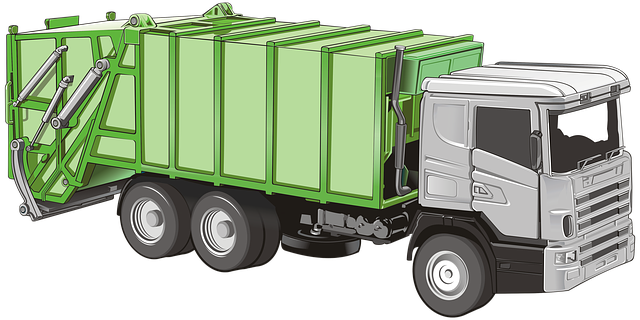
When registering your car in California, selecting the appropriate license plate class is a crucial step that often goes overlooked. Each class caters to specific vehicle types, ensuring efficient registration and road safety. The primary consideration here is your vehicle’s use and characteristics. For instance, personal passenger vehicles typically fall under Class 3, while commercial trucks may require Class 4 or 5 plates depending on weight and capacity.
Proper classification begins with accurate VIN verification. This involves a meticulous process of VIN inspection to confirm the vehicle’s identity and specifications. Fortunately, many online tools, including mobile VIN verifiers, streamline this step. These apps allow you to enter your VIN and access detailed information, simplifying the process for both individuals and professionals. By utilizing these resources, you can ensure your plate selection aligns perfectly with California’s guidelines.
Remember, incorrect plate classification can lead to registration delays or penalties. To avoid such hiccups, take the time to understand your vehicle’s category. For example, if you own a classic car, consult historical registration records and refer to California’s specific guidelines for these unique vehicles. By prioritizing accurate VIN inspection and mindful plate selection, you’ll ensure a smooth registration process and hit the road confidently in your properly classified California-registered vehicle.
Submit Application and Pass Required Inspections

After gathering all necessary documents, the next crucial step in registering your car in California is to submit your application and pass required inspections. This phase involves a meticulous process designed to ensure vehicle safety and compliance with state regulations. One critical component of this process is accurate Vehicle Identification Number (VIN) verification, which can be efficiently managed through mobile vin verification services or using a trusted mobile vin verifier. These tools facilitate the checking of a vehicle’s history, including any prior accidents, recalls, or outstanding issues, by accessing the NHTSA’s National Motor Vehicle Title Information System (NMVTIS).
Upon submitting your application, your local California Department of Motor Vehicles (DMV) office will require a current vehicle inspection. This inspection goes beyond the standard check-up and includes thorough examinations of safety systems, emissions, lights, mirrors, tires, and other components. Mobile vin inspection services can play a pivotal role here by providing on-site testing, saving you time and potentially expediting your registration process. They offer real-time data access, ensuring that any issues identified during the inspection are accurately documented and addressed promptly.
It’s essential to approach this phase with diligence and preparation. Keeping detailed records of all inspections, repairs, and maintenance is advisable. In California, where vehicle registration renewals are frequent, having a comprehensive history accessible through mobile vin verification tools can streamline future processes. Moreover, understanding the specific requirements for your vehicle type (e.g., emissions standards for older models) will help avoid delays and ensure a smooth registration experience.
Finalize Registration with DMV and Obtain Documentation

To finalize the registration process for your vehicle in California, you’ll need to complete a series of steps with the Department of Motor Vehicles (DMV). This critical phase involves verifying your vehicle’s identity through a process known as VIN (Vehicle Identification Number) verification. It ensures that the DMV records accurately match the make, model, and year of your car. You can opt for a traditional in-person visit or leverage modern conveniences by scheduling a mobile vin inspection or conducting a vin inspection at an authorized station.
During the final registration, you’ll need to present several key documents, including proof of ownership, vehicle identification number (VIN) verification, and any necessary emissions test certificates. If you’ve recently purchased the car from a dealership, they typically handle this process for you as part of the sale. However, if you’re transferring titles or registering a privately-owned vehicle, it’s your responsibility to ensure the VIN is accurately verified through one of the approved mobile vin verification methods. This step is crucial to avoid any registration delays or issues down the line.
Once all documents are in order and the VIN is successfully verified, the DMV will process your registration application, issuing a new registration certificate and license plate if applicable. It’s essential to keep these documents secure, as you’ll need them for future transactions, including insurance renewals and vehicle sales. California’s DMV offers both online and in-person methods to finalize registration, allowing you to choose the option that best suits your convenience and preferences.
By meticulously preparing the required documents, locating your vehicle’s unique VIN for verification, selecting the appropriate California license plate class, and successfully passing inspections, you’ve taken significant steps towards registering your car in California. This process ensures not only legal compliance but also safeguards your investment through proper documentation and vin verification. As outlined in this authoritative guide, finalizing registration with the DMV and securing the necessary documentation is the final, crucial step in owning a registered vehicle in California. Your newfound knowledge positions you to navigate this procedure confidently, ensuring a seamless transition from applicant to registered car owner.