
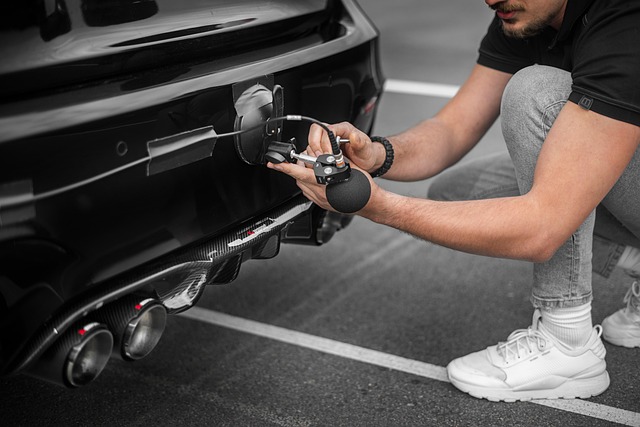
Registering a car in California is a crucial step for any new vehicle owner, ensuring legal compliance and securing important protections. However, navigating the process can be challenging, with various requirements and steps to remember. This comprehensive guide aims to demystify the car registration procedure, offering clear instructions and expert insights. We’ll walk you through each phase, from gathering essential documents to completing the DMV VIN verification, ensuring a seamless and stress-free experience. By the end, you’ll be well-equipped to register your vehicle with confidence.
- Gather Required Documents for Car Registration
- Prepare Your Vehicle for DMV Inspection (Including VIN Verification)
- Complete the California Car Registration Application
- Submit and Pay for Your Car Registration
- Receive Your Registration Certificate and License Plate
Gather Required Documents for Car Registration

To register your car in California, you’ll need to gather several crucial documents, including proof of insurance, a completed vehicle registration application, and perhaps most importantly, a valid DMV VIN verification. This process ensures that all vehicles on California roads are safe and properly maintained. One efficient way to obtain this verification is through mobile VIN inspection services, which offer the convenience of getting your car’s details checked at your location.
DMV VIN verification plays a critical role in the registration process as it confirms the vehicle’s identity and history. This step is particularly important given California’s stringent regulations on vehicle safety and emissions. When conducting a mobile VIN inspection, a professional will use specialized equipment to cross-reference your car’s unique Vehicle Identification Number (VIN) with databases containing information about the vehicle’s make, model, year, and any reported issues or accidents. This process not only saves time but also ensures accuracy, as human errors in data entry are minimized.
For instance, a study by the California Department of Motor Vehicles (DMV) revealed that approximately 10% of vehicles presented for registration had discrepancies in their paperwork, with some cases involving altered VINs or incorrect model information. By leveraging mobile VIN verification services, you can significantly reduce these risks and streamline the registration process. Remember to choose a reputable provider that adheres to industry standards and maintains secure data handling practices.
Prepare Your Vehicle for DMV Inspection (Including VIN Verification)

Before you can register your car in California, your vehicle must pass a rigorous inspection conducted by the Department of Motor Vehicles (DMV). A critical component of this process is DMV vin verification, ensuring that the unique identifier on your vehicle—the Vehicle Identification Number (VIN)—is accurate and matches the make, model, and year listed on your registration documents. This verification step is designed to combat fraud and ensure road safety.
For many drivers, the preparation for DMV inspection can be a bit daunting, especially when it comes to VIN verification. The good news is that advanced technologies have made this process more accessible than ever. Mobile vin verifiers—tools that enable on-site, real-time VIN checks using a smartphone or tablet—are becoming increasingly popular. These devices use GPS tracking and digital documentation to streamline the inspection process, making it convenient for both drivers and DMV staff. For instance, some mobile vin inspectors can complete a thorough vehicle history report in just a few minutes, providing immediate peace of mind.
During your preparation, ensure that all documents related to ownership and maintenance are up-to-date and readily available. This includes registration papers, insurance cards, service records, and any proof of address. Additionally, ensuring your vehicle is in good working order, with no outstanding safety issues, can significantly expedite the inspection process. Remember, a well-prepared vehicle and a thorough understanding of DMV vin verification procedures will go a long way toward a smooth registration experience.
Complete the California Car Registration Application

To register your car in California, you must complete the California Car Registration Application, a critical step in ensuring your vehicle complies with state regulations. This process involves several key components, one of which is the DMV VIN verification. The Vehicle Identification Number (VIN) serves as a unique fingerprint for your car, and its inspection is crucial for accurate registration. You can facilitate this through traditional methods by visiting a California Department of Motor Vehicles (DMV) office or opt for a more convenient approach with mobile VIN inspection services.
The latter has gained popularity due to its time-saving benefits and flexibility. Mobile vin verification involves having a specialized technician come to your location to perform the necessary checks using advanced equipment. This service is particularly advantageous for those who have busy schedules, live in remote areas, or simply prefer a hassle-free experience. By allowing you to complete the VIN inspection from the comfort of your home or workplace, mobile services offer a modern solution that aligns with today’s fast-paced lifestyle.
During the DMV VIN verification process, the inspector will cross-reference your car’s VIN with their database to ensure it matches the vehicle’s make, model, and year. This step is vital to guarantee the accuracy of your registration documents. It helps prevent issues like identity theft or fraudulent registration, ensuring that only legitimate vehicles are documented. While traditional vin inspection at a DMV office typically involves waiting times and potential backlogs, mobile services often offer faster turnaround times due to their streamlined processes and on-demand nature.
Submit and Pay for Your Car Registration

To complete the registration process, you’ll need to submit and pay for your car’s registration with the California Department of Motor Vehicles (DMV). This step is crucial to ensure your vehicle is legally recognized on California roads. You can choose between in-person submission or utilizing online services, depending on your preference and convenience. If conducting a DMV VIN verification is part of this process, it’s advisable to opt for a mobile vin inspection service to save time and effort.
When submitting your registration, have your vehicle’s registration fee ready, which varies based on the type of vehicle and its age. The DMV offers several payment methods, including cash, credit cards, and debit cards. It’s essential to double-check that all provided information is accurate, especially the Vehicle Identification Number (VIN). A mobile vin inspection can facilitate this process by cross-referencing your VIN with state records during the verification step. This ensures any discrepancies are caught early, preventing potential delays or issues down the line.
For instance, a 2015 Honda Civic might have a different registration fee compared to a classic 1967 Ford Mustang. Additionally, ensuring your VIN is correctly recorded and matches the vehicle’s documentation is vital. Mobile vin verifier apps provide a convenient way to conduct this inspection from the comfort of your home or even while waiting at the DMV. These services offer real-time verification, making it easier to detect any errors before submitting your registration.
Remember that a smooth registration process contributes to a safer and more enjoyable driving experience in California. Utilizing modern tools like mobile vin inspection services ensures accuracy and efficiency, ultimately streamlining your interaction with the DMV.
Receive Your Registration Certificate and License Plate

After completing your California vehicle registration application and passing necessary inspections, including a DMV VIN verification, it’s time to receive your official documents. The California Department of Motor Vehicles (DMV) will issue a Registration Certificate, also known as a registration card or license plate proof, along with your new license plates. This step is crucial in ensuring that your vehicle complies with state regulations and can legally operate on California roads.
To obtain these documents, you’ll typically need to visit a local DMV field office or, in some cases, utilize their online services for immediate digital issuance. If using the mobile option, a VIN inspection might still be required, especially when transferring ownership. A reputable mobile vin verifier can assist with this process by checking the vehicle’s history and identifying any potential issues before completing the registration. This modern approach streamlines the experience, saving time for California residents who are already busy managing their daily routines.
Once received, review your Registration Certificate carefully to ensure accuracy. It will include vital information such as the vehicle’s unique Vehicle Identification Number (VIN), its make, model, year, and other details. Similarly, examine your license plates for any errors or discrepancies. If everything is in order, display these official stickers on your vehicle according to DMV guidelines. Properly displaying registered license plates is not only a legal requirement but also helps deter theft and fraud, contributing to the overall safety of California’s transportation network.
Registering a car in California involves several crucial steps outlined in this comprehensive guide. Key takeaways include ensuring you have all required documents, preparing your vehicle for a DMV inspection, including accurate VIN verification, completing the registration application meticulously, submitting with payment, and finally receiving your certificate and license plate. By following these detailed procedures, you navigate the process smoothly, adhering to California’s regulations. This authoritative article equips readers with essential knowledge, empowering them to register their vehicles confidently and legally.