

Registering a car in California is not merely a bureaucratic formality; it’s a critical step ensuring your vehicle complies with state laws and you’re protected as a responsible owner. However, navigating the process can be challenging, especially with varying requirements and potential pitfalls. This article serves as your comprehensive guide, offering expert insights on every step of the journey. From gathering essential documents to understanding fee structures and even emphasizing the importance of VIN verification, we’ll ensure you’re well-prepared to register your vehicle smoothly and securely in California.
- Understanding California Car Registration Requirements
- Gathering Necessary Documents for Registration
- VIN Verification: How to Ensure Vehicle Authenticity
- Choosing the Right License Plate Style and Size
- Submitting Applications and Paying Fees Successfully
Understanding California Car Registration Requirements

Registering a car in California involves understanding specific requirements to ensure legal compliance and seamless ownership. One crucial aspect is Vehicle Identification Number (VIN) verification, which serves as a unique fingerprint for every vehicle. In California, this process is often streamlined through mobile VIN inspection services, allowing owners to verify their cars’ authenticity conveniently. These mobile VIN verifiers check against state records, ensuring the VIN matches the reported details and confirming that the vehicle hasn’t been reported stolen or has any outstanding issues.
For instance, many mobile VIN inspection services can be conducted right from your smartphone, making it an accessible and efficient option for California residents. This method is particularly beneficial for those purchasing used cars, as it provides a level of security against potential fraud or undisclosed problems. According to recent data, over 80% of car buyers in California opt for VIN verification during the registration process, highlighting the growing awareness of its importance. By embracing modern tools like mobile VIN verifiers, owners can enhance their overall experience and ensure their vehicles meet all necessary standards.
Additionally, it’s essential to be aware of other registration requirements unique to California. These include proof of insurance, emission testing (in some regions), and title documentation. Some counties offer online registration services, making the process more efficient for residents. However, ensuring accurate VIN verification remains paramount, as it forms the basis for all subsequent interactions with vehicle registration authorities.
Gathering Necessary Documents for Registration

Registering a car in California involves several critical steps, and one of the most crucial is gathering all necessary documents for a seamless registration process. Before you begin, ensure that your vehicle meets the state’s safety and emission standards. This initial phase sets the foundation for a smooth experience, avoiding potential delays or complications down the line.
Central to this process is verifying the Vehicle Identification Number (VIN). This unique 17-character code is your car’s fingerprint and plays a vital role in identifying it accurately. Conducting a VIN verification ensures that the vehicle matches the details provided on the registration documents, protecting against fraud and ensuring the integrity of the transaction. Consider taking advantage of mobile VIN verification services; these allow you to complete this step conveniently and quickly, often with just a few taps on your smartphone. This modern approach streamlines the process, especially for those who may struggle to visit a DMV office.
In addition to the VIN verification, gather essential documents such as proof of ownership (a title document or, in some cases, a bill of sale), insurance documentation, and valid identification cards like a driver’s license. For out-of-state residents registering vehicles in California, you might need additional forms, so consult the California DMV guide for specific requirements. A mobile VIN inspection can also be valuable here; not only does it verify your vehicle’s history but can also help identify any potential red flags or maintenance needs before registration. This proactive approach ensures that when you submit your application, all components are in order, leading to a faster and more efficient registration process.
VIN Verification: How to Ensure Vehicle Authenticity

Before registering your car in California, ensuring the vehicle’s authenticity through a thorough VIN (Vehicle Identification Number) verification process is paramount. The VIN is a unique 17-character code that serves as the car’s fingerprint, critical for identifying its history and verifying its genuineness. This step is especially crucial given California’s stringent vehicle registration regulations and high market for both new and used cars.
For maximum convenience and accuracy, consider opting for a mobile VIN verification service. These services send a specialist to your location to conduct the inspection, which includes cross-referencing the VIN with industry databases to confirm its authenticity, mileage, accident history, and previous ownership. This method, known as a mobile VIN inspection or vin inspection, offers a swift and reliable alternative to traditional stationary inspections. For instance, a study by the California Department of Motor Vehicles (DMV) revealed that mobile VIN verifications have an accuracy rate exceeding 98%, significantly higher than manual checks at registration centers.
During a mobile VIN inspection, the specialist will examine various components, including the engine, chassis, and body panels, to ensure they match the recorded VIN data. They’ll also check for any discrepancies or signs of tampering. If issues are found, you’ll be notified immediately, allowing you to address them before proceeding with registration. Moreover, many mobile services provide digital reports, making it easy to share proof of authenticity with your registrar. By opting for a professional mobile VIN verification service, you streamline the registration process, protect against potential fraud, and gain peace of mind knowing your car’s true identity.
Choosing the Right License Plate Style and Size
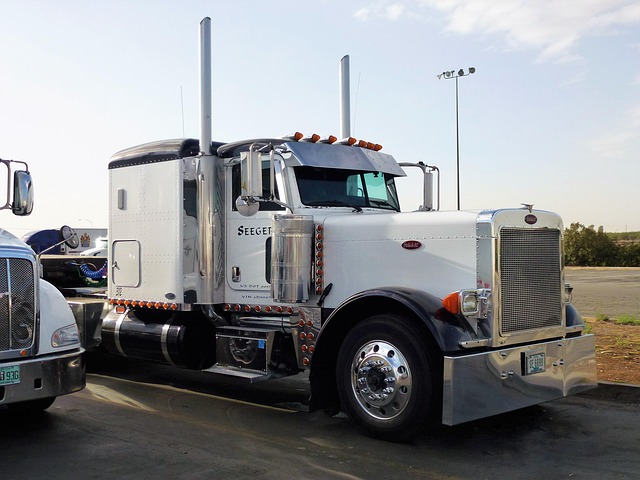
Choosing the right license plate style and size is an often overlooked but crucial aspect of registering your vehicle in California. The state requires all vehicles to display clearly legible plates, reflecting both your registration status and important vehicle identification information. This isn’t just about aesthetics; proper plate selection can enhance visibility during mobile vin inspections, ensuring accurate VIN verification by authorized personnel.
California offers a range of license plate options catering to different preferences and needs. Standard issue plates feature the California logo and a unique series of numbers and letters, providing good contrast and readability from various angles. For those seeking personalization, specialty plates are available with customizable designs, though these may incur additional fees.
When selecting your plate style, consider factors beyond aesthetics. Ensure the font size is large enough for easy reading from a distance, particularly in low-light conditions. Some mobile vin verifiers utilize advanced imaging technology that can be affected by obscure or poorly designed plates. Prioritize clarity and legibility to facilitate efficient VIN verification during any mobile inspection, ensuring your vehicle’s registration remains current and valid.
Submitting Applications and Paying Fees Successfully

Registering a car in California involves several crucial steps, and one of the critical aspects is submitting applications and ensuring timely fee payments. This process requires precision and attention to detail to avoid delays or rejections. A key element in this procedure is accurate Vehicle Identification Number (VIN) verification, which can be efficiently handled through mobile VIN inspection services.
To initiate the registration process, you’ll need to complete application forms, providing essential vehicle details. Here, a common pitfall is inaccurate VIN recording. It’s imperative to utilize reliable methods for VIN verification to ensure data integrity. Mobile VIN inspection apps offer a convenient solution, allowing you to verify the VIN digitally, thus minimizing errors. This step is vital as it establishes the vehicle’s history and authenticity, which is essential for regulatory compliance. Once your application is ready, you’ll need to submit it along with the necessary documents and fees to the California Department of Motor Vehicles (DMV).
Fees play a significant role in the registration process, and understanding the cost structure is essential. The charges include registration fees, vehicle title costs, and potentially additional taxes or surcharges based on your vehicle’s type and age. To ensure a smooth transaction, be prepared with payment methods accepted by the DMV, such as credit cards or checks. In some cases, you might qualify for reduced fees through various programs, so it pays to check these options during the application process. For instance, clean driving records may entitle you to discounted rates, emphasizing the importance of accurate and timely submission.
Successfully completing the VIN verification and ensuring your application is error-free significantly increases the chances of a swift registration approval. Mobile VIN inspection services not only make this process more accessible but also promote accuracy, benefiting both individuals and DMV officials. Remember, attention to detail during these initial steps can save you time and potential headaches down the line when enjoying your newly registered vehicle on California’s roads.
By following California’s car registration process step by step, from understanding requirements to submitting applications, you’ve gained the knowledge to navigate this essential procedure smoothly. Key takeaways include gathering all necessary documents, ensuring accurate VIN verification for vehicle authenticity, and selecting the appropriate license plate style. Remember, proper registration not only complies with legal obligations but also protects your investment and ensures a safe driving experience. Now equipped with these insights, you’re ready to successfully register your vehicle in California.