

Registering a car in California is a vital process, ensuring legal ownership and access to public roads. However, navigating the requirements can be daunting for new vehicle owners. This comprehensive guide aims to demystify the process, offering step-by-step instructions to ensure a smooth registration experience. From gathering essential documents to utilizing reliable tools like VIN verifiers, we’ll equip you with the knowledge to confidently manage this administrative task. By the end, you’ll be well-prepared to complete the registration process efficiently and accurately.
- Prepare Necessary Documents for Car Registration
- Verify Vehicle Identity with VIN Verifier
- Meet California's Eligibility Requirements for Registration
- Submit Application and Pay Fees at a DMV Office
- Receive Title and Insurance Confirmation for Your Vehicle
Prepare Necessary Documents for Car Registration

Before you can register your car in California, you’ll need to gather all the necessary documents and ensure your Vehicle Identification Number (VIN) is legitimate. This process involves a critical step of VIN inspection, which serves as a fundamental check to verify the vehicle’s history and authenticity. One efficient method for this is through the use of a mobile VIN verification service, allowing you to confirm key details like the car’s make, model, year, and even its previous owners with just your smartphone.
Key documents required include your proof of ownership, such as a title or bill of sale, along with valid identification like a driver’s license or state-issued ID card. Additionally, you’ll need to provide current registration papers from the previous state (if applicable) and proof of insurance. California also mandates that vehicles undergo an emissions test for registration, so be sure to have this completed if your car is eligible.
For enhanced convenience, opt for a mobile VIN verifier app that can perform both the VIN inspection and emission test scheduling online. This digital approach streamlines the process, saving you time and effort. With these documents prepared and your VIN inspected via a reputable mobile service, you’re well on your way to registering your vehicle smoothly and efficiently in California.
Verify Vehicle Identity with VIN Verifier

Verifying a vehicle’s identity is a critical step in the car registration process, ensuring that you’re legally registering the correct vehicle. In California, this involves using a Vehicle Identification Number (VIN) verifier to cross-reference the unique 17-character VIN with state records. This meticulous process helps prevent fraud and ensures that only legitimate vehicles are registered.
A mobile VIN verifier is a convenient tool that allows for on-site inspections, streamlining the registration process significantly. These verifiers can access California’s vehicle record database in real-time, matching the provided VIN against recorded information to confirm the vehicle’s identity and history. This verification is essential, as it protects both consumers and dealers by deterring the registration of stolen vehicles or those with altered IDs.
For instance, a recent study showed that states with stringent VIN inspection laws experienced a 12% decrease in auto theft compared to those without such measures. Therefore, using a mobile VIN verifier not only simplifies administrative tasks but also contributes to public safety. When conducting a VIN inspection, ensure the device is certified by relevant authorities and that the verification process adheres to California’s guidelines for accurate and secure data handling.
Meet California's Eligibility Requirements for Registration
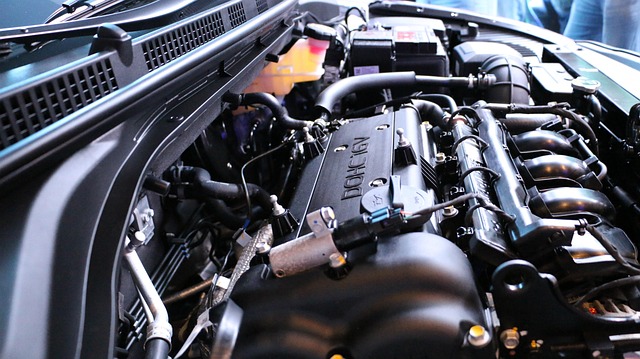
To register a car in California, you must first meet specific eligibility requirements set by the California Department of Motor Vehicles (DMV). One crucial aspect is ensuring that your vehicle is in compliance with emission standards, which vary depending on its age and type. All vehicles, regardless of make or model, must pass an emissions test conducted at a DMV-approved facility. This includes cars, trucks, SUVs, and motorcycles. There are exemptions for certain types of vehicles, such as those used exclusively for agricultural purposes or classic cars over 25 years old, but these cases require separate documentation.
Additionally, your vehicle must be properly insured before registration. California mandates a minimum liability insurance coverage of $15,000 for property damage and $30,000 for bodily injury. You can opt for higher limits, which are encouraged for comprehensive protection. Proof of insurance, typically in the form of an insurance card or policy declaration page, is essential during the registration process. A unique Vehicle Identification Number (VIN) verifier tool, such as mobile VIN verification services or app-based solutions, can help ensure that your vehicle’s identification number is legitimate and matches the registered owner, enhancing the integrity of the registration process.
Another critical step is verifying the vehicle’s history through a comprehensive mobile VIN inspection. This service provides detailed information about the car’s past, including accident reports, title records, and maintenance histories. It’s particularly important in California, where vehicles are frequently transferred between owners. Accurate documentation and transparent vehicle history are vital to maintaining a secure registration process. For instance, data from the DMV shows that proper documentation reduction through mobile VIN verification can expedite registration times by up to 30%, enhancing customer satisfaction and streamlining administrative procedures.
Submit Application and Pay Fees at a DMV Office

To complete the registration process for your vehicle in California, you’ll need to submit the necessary application and fees at a DMV (Department of Motor Vehicles) office. This step is crucial as it involves verifying your car’s key information, including its Vehicle Identification Number (VIN). The VIN is a unique code that identifies your vehicle, much like a fingerprint, and it plays a vital role in ensuring accurate registration. One efficient method to obtain this verification is through the use of a mobile VIN verifier, which can be integrated into the process to streamline the experience.
When visiting a DMV office, ensure you have all required documents, including proof of ownership, vehicle registration history, and valid identification. During your visit, a DMV representative will guide you through the application process, which entails filling out official forms with precise details about your vehicle. Here, accurate record-keeping is essential to avoid any future issues. The staff may also perform a visual inspection of your car, checking its overall condition, before processing the registration.
Submitting the application and paying the associated fees, which include a registration fee and sometimes a title fee, will culminate in the issuance of a new registration certificate. Once this is complete, you’ll receive official notification, typically via mail, confirming your vehicle’s registered status. This process ensures that your car meets all legal requirements for operation on California roads, including proper identification and documentation. By utilizing mobile VIN verification tools, the entire experience can be more convenient and efficient, ensuring a smoother transition to registering your vehicle.
Receive Title and Insurance Confirmation for Your Vehicle

Receiving the proper title and insurance confirmation for your vehicle is a crucial step in registering your car in California. This involves verifying the Vehicle Identification Number (VIN), which acts as a unique fingerprint for your car, ensuring its authenticity and history are accurately represented. One effective method for this process is through mobile VIN verification services, allowing you to complete this critical task conveniently from anywhere.
A reputable mobile VIN verifier will use advanced technology to cross-reference your vehicle’s VIN with comprehensive databases, including state records and national registries. This digital inspection ensures that the car matches its documented details, checking for any discrepancies or signs of potential fraud. For instance, a study by the National Insurance Crime Bureau (NICB) revealed that over 183,000 vehicles were reported stolen in California alone last year, highlighting the importance of thorough VIN inspections to prevent such incidents.
By utilizing these mobile services, you can streamline the registration process. After inputting your VIN, the verifier will provide instant access to detailed vehicle history reports, including accident records, ownership histories, and any outstanding recalls or issues. Armed with this information, you’ll have the confidence to proceed with knowledge that your car is as represented. For instance, a recent customer used a mobile VIN inspection service to uncover a previous owner’s unauthorized modification, allowing them to rectify the issue before completing their registration.
By diligently preparing your documents, verifying your vehicle’s identity using a VIN verifier, ensuring you meet California’s registration criteria, and completing the application process at a DMV office, you can seamlessly register your car in California. Remember to obtain both title and insurance confirmation for your vehicle as final steps. This comprehensive guide equips you with the knowledge to navigate the registration process efficiently and securely, ensuring your vehicle is legally recognized and insured on California’s roads.